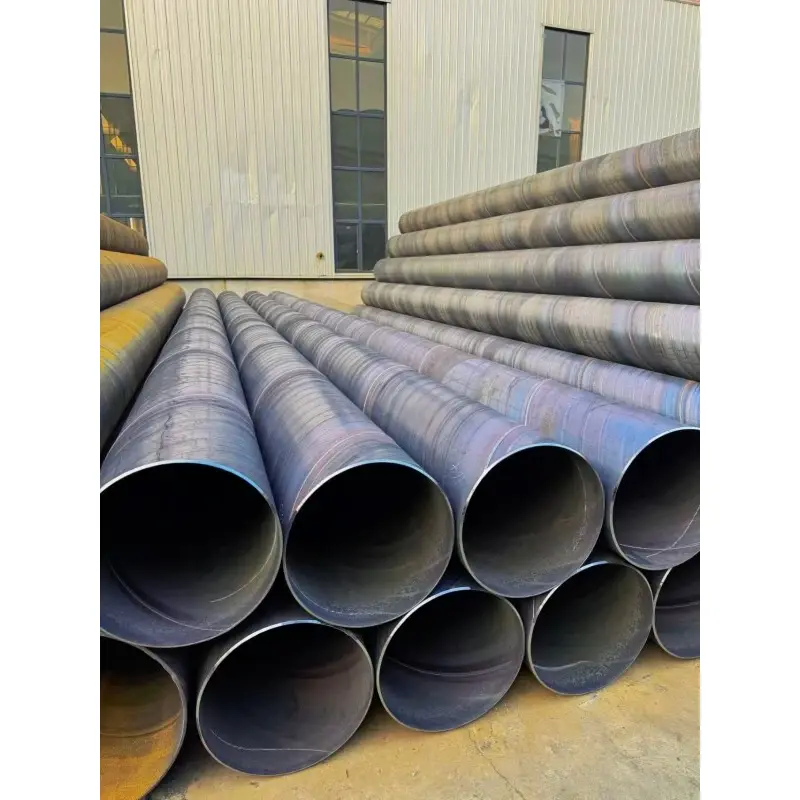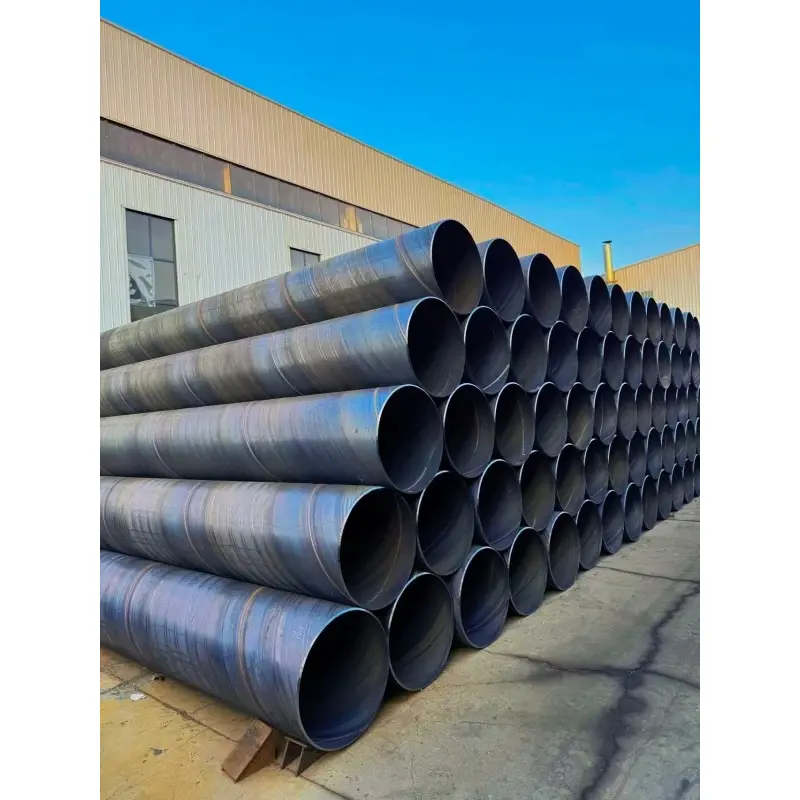
Straight Seam Welded Steel Pipe,Steel Profiles,Portable Container Houses,Cold-Rolled Seamless Steel Pipe,Hot-Rolled Seamless Steel Pipe,Spirally Welded Steel Pipe
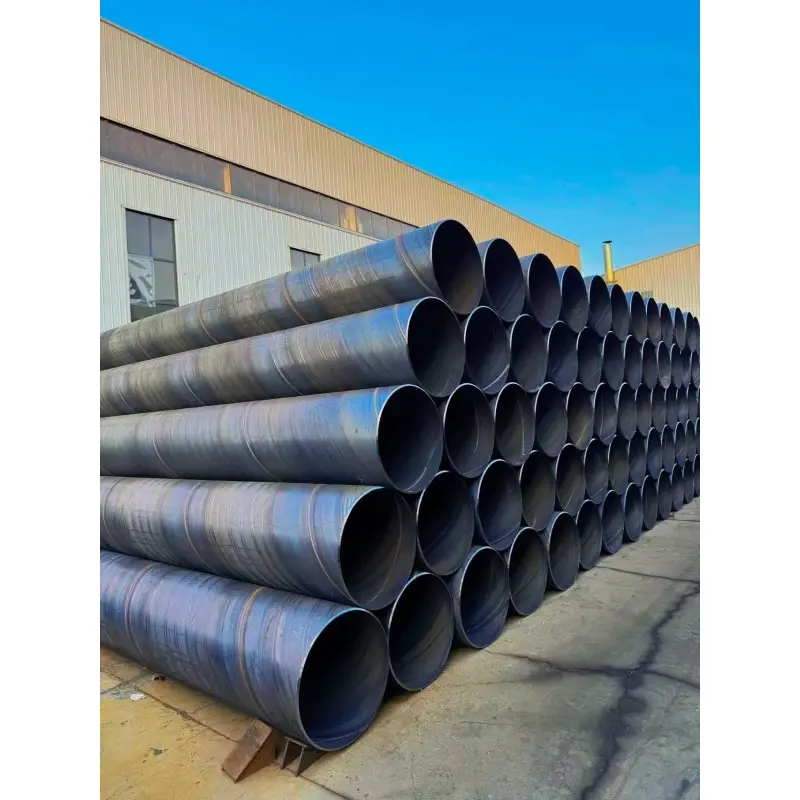
In the world of industrial piping, the smallest components often carry the largest responsibility. The Small Diameter Spiral Welded Steel Pipe is one such workhorse—a versatile, high-integrity product that quietly supports everything from municipal water systems to agricultural irrigation, from structural piling to mechanical engineering projects. Although the diameter may be compact, the engineering behind it is anything but small. At Tianjin YuJie Steel Pipe Trading Co., Ltd., this pipe is manufactured with a relentless focus on weld consistency, dimensional precision, and long-term durability, making it the smart choice for professionals who cannot afford to compromise on reliability.
Imagine a pipe that can be configured to your exact length, produced in a range of modest diameters, and delivered with the spiral weld seam that adds both strength and flexibility. That is exactly what this product delivers. Whether you are a contractor laying a rural water line, an engineer designing a foundation support system, or a procurement manager sourcing dependable tubular goods, the small diameter spiral welded option deserves your attention. It combines the cost advantages of spiral welding with the convenience of small-bore sizing, and it stands up to demanding conditions across multiple sectors.
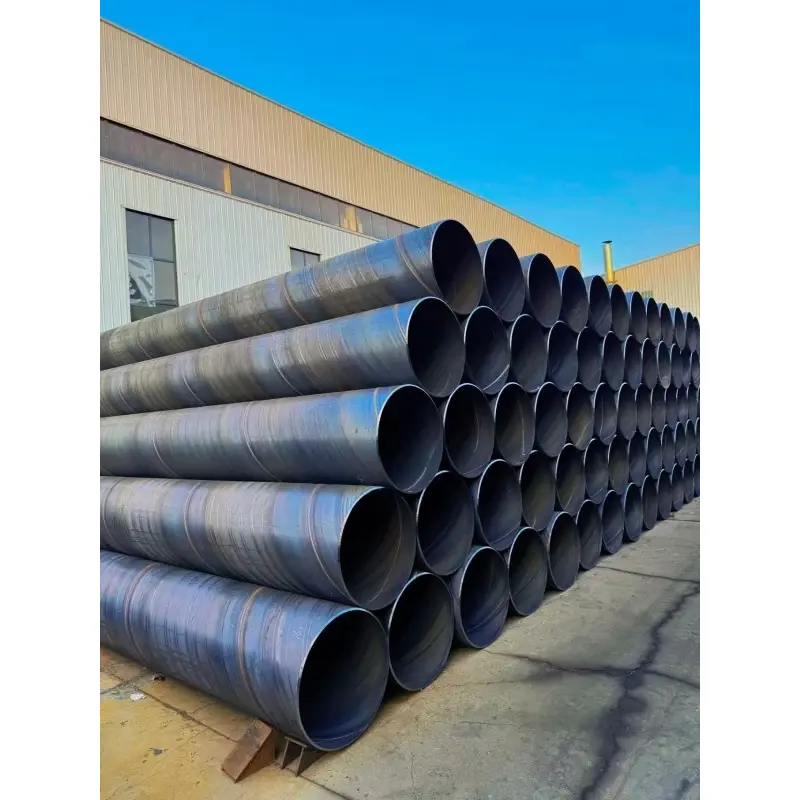
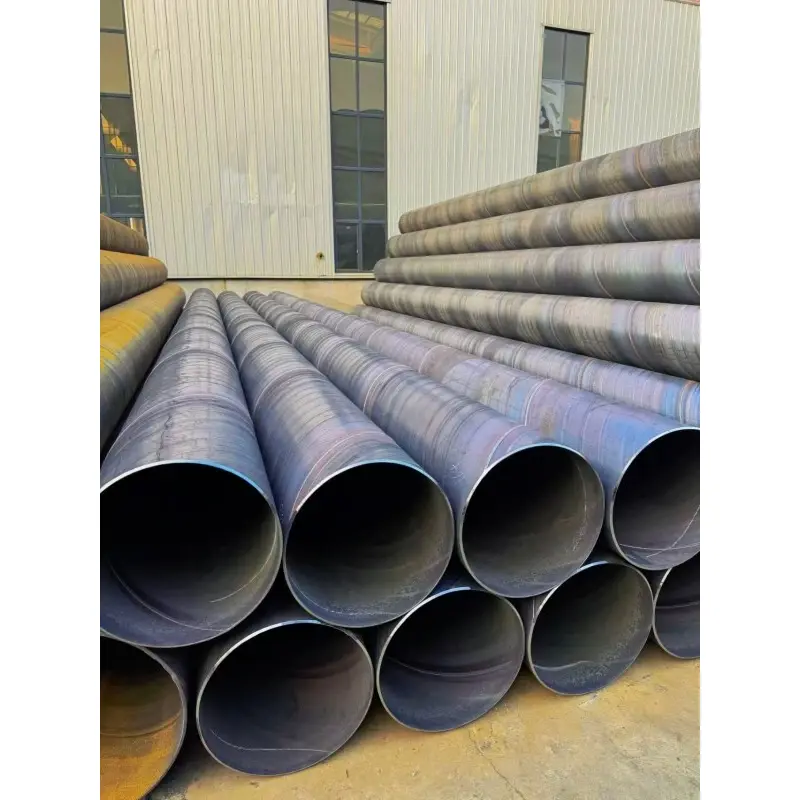
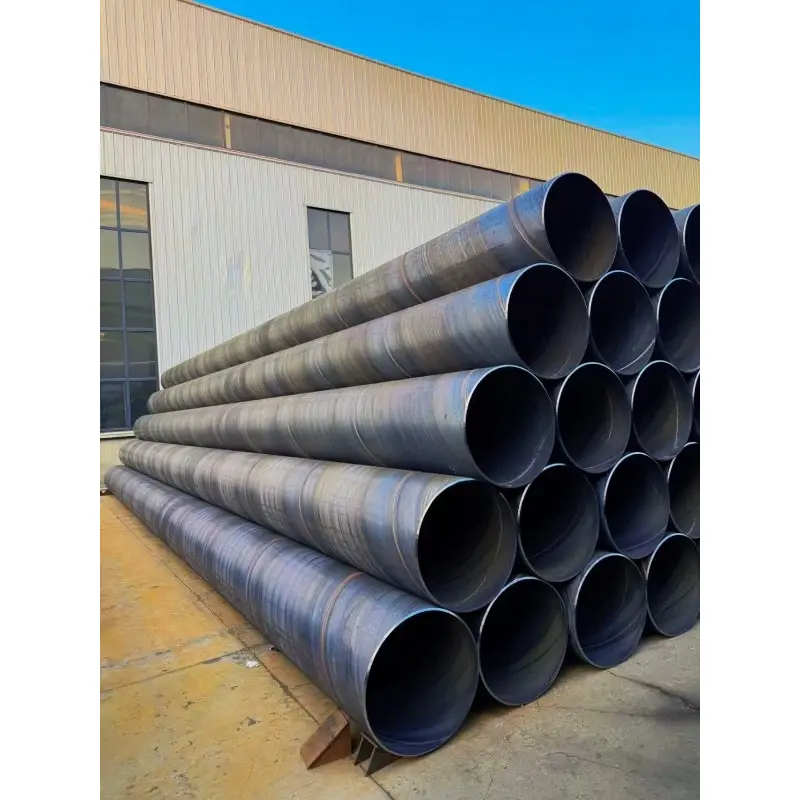
The Small Diameter Spiral Welded Steel Pipe is a tubular steel product formed by spirally bending a continuous strip of hot-rolled steel coil and welding the resulting seam using an automatic submerged arc welding process. This method creates a pipe with a uniform helical weld line, which contributes to its mechanical strength and allows it to be produced economically in smaller outside diameters that traditional longitudinal welded pipe manufacturing may find less cost-effective. The product typically covers outside diameters below 219 mm, often ranging from 139.7 mm down to 89 mm or smaller, with wall thicknesses engineered to suit specific pressure and structural requirements.
The primary function of this pipe is to transport fluids, gases, or slurries at low to medium pressures, or to act as a structural member where a round hollow section is needed. In water supply networks, it serves as a main or branch line that delivers clean water to communities. In agricultural systems, it moves irrigation water efficiently across fields. In the oil and gas sector, it can be used for gathering lines, flowlines, or casing in shallow wells. In construction, it becomes a pile casing, a handrail support, or a bracing element. This flexibility is exactly why it has become a staple in many industries.
What sets the spiral welded construction apart is its ability to produce small diameters with tight tolerances while retaining high hoop strength. The helical seam distributes stress more evenly around the circumference compared to some straight-seam alternatives, which can be particularly valuable when the pipe is exposed to external loads or internal pressure fluctuations. Buyers who need a pipe that performs consistently in real-world conditions often choose this product because it offers a practical balance of strength, availability, and cost efficiency.
Every industrial purchase comes down to performance, longevity, and value. The Small Diameter Spiral Welded Steel Pipe from Tianjin YuJie Steel Pipe Trading Co., Ltd. is engineered to deliver on all three fronts. Here are the key advantages that distinguish it in the market.
Spiral welding is not simply about forming steel into a round shape; it is about creating a weld that becomes an integral part of the pipe’s strength. The submerged arc welding process used in this product ensures deep penetration and a clean, uniform bead. Because the weld runs along a helical path, it is longer than a longitudinal weld on a comparable pipe, but this actually works to the pipe’s advantage. The spiral weld acts as a reinforcing rib that can help distribute torsional and bending forces more evenly. Each pipe undergoes rigorous non-destructive testing, including ultrasonic inspection of the weld seam, to verify that no hidden defects compromise its integrity.
One of the most frustrating challenges in pipeline construction is dealing with pipes that do not fit together cleanly. A slight ovality or diameter deviation can cause joint leaks, misalignment, and costly rework. This product is manufactured to strict dimensional tolerances. The outside diameter, wall thickness, and end squareness are controlled within specified limits, ensuring that field welding, coupling, or flange attachment goes smoothly. This precision saves time during installation and reduces the likelihood of joint failures later on.
Depending on the application, the pipe can be produced from a variety of steel grades. Common options include Q195, Q215, Q235, Q345, L245, L290, S235JR, S275JR, S355JR, and API 5L grades such as Gr.B and X42. This range allows engineers to select the right balance of yield strength, tensile strength, and elongation for their specific project. Whether the pipe needs to withstand internal pressure, external soil loads, or dynamic loading in structural use, there is a material grade that fits the requirement without over-specifying and inflating costs.
Standard lengths are often 6 meters or 12 meters, but not every project fits neatly into those increments. Tianjin YuJie Steel Pipe Trading Co., Ltd. offers custom cutting to meet your exact dimensional needs. This reduces waste on site and simplifies logistics. In addition, pipe ends can be supplied plain, beveled, or threaded, depending on the joining method you plan to use. Beveled ends are ideal for welding, while threaded ends work well for mechanical connections in low-pressure applications.
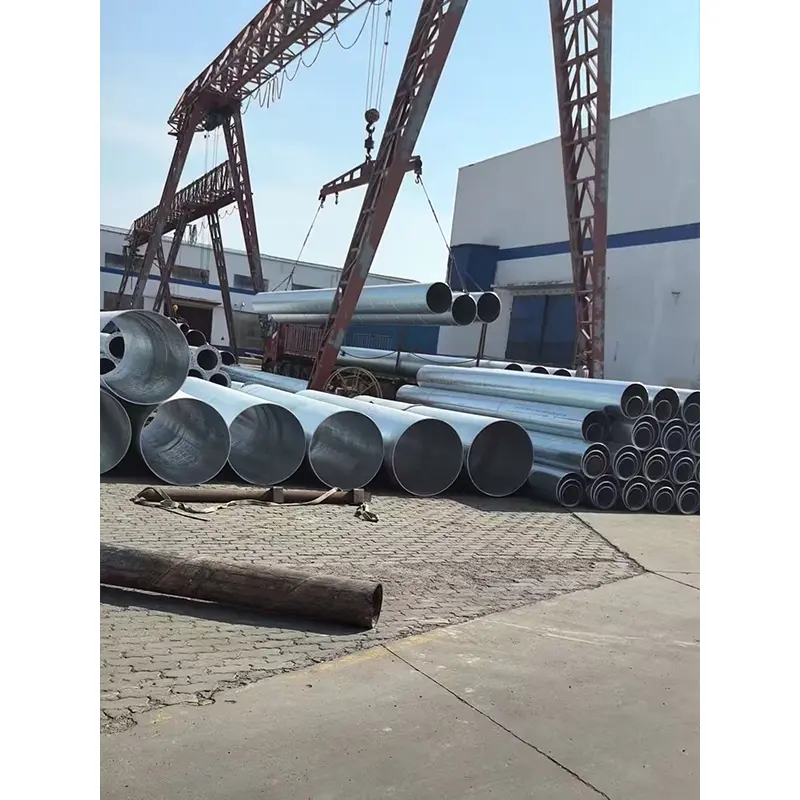
Steel is strong, but it needs protection from moisture, chemicals, and soil conditions. This small diameter spiral welded pipe can be supplied with a variety of surface treatments. Common options include black bare finish, oiled finish, hot-dip galvanizing, 3PE coating, epoxy coating, or cement mortar lining. The right coating extends the pipe’s service life significantly, especially in buried or submerged environments. Galvanized pipes, for example, provide reliable corrosion resistance for outdoor structural and water applications, while 3PE coatings are frequently chosen for oil and gas pipelines where external corrosion is a major concern.
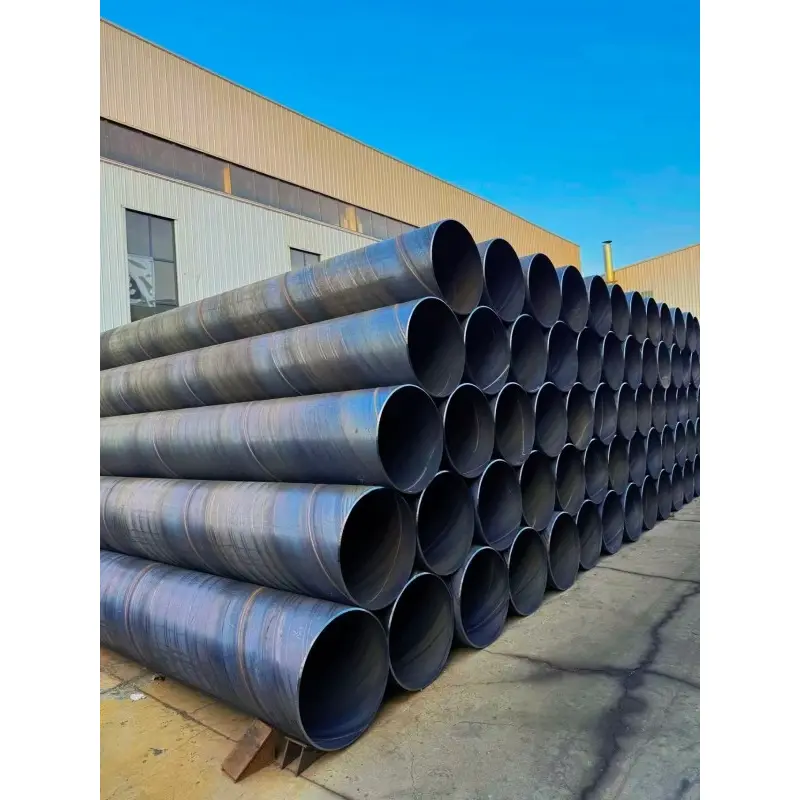
Many buyers of small diameter pipe encounter similar frustrations: inconsistent wall thickness that creates weak spots, delayed deliveries that stall entire projects, and suppliers who cannot provide traceable quality documentation. The Small Diameter Spiral Welded Steel Pipe addresses these pain points directly through disciplined manufacturing and responsive customer support.
Consider a contractor who has been struggling with pipes that fail pressure testing due to uneven weld seams. By switching to this spiral welded product, the contractor benefits from a seam that is continuously monitored during production and verified with ultrasonic testing. The result is a pipe that holds pressure reliably and passes commissioning tests on the first attempt. Consider an agricultural project where procurement is delayed because standard pipe lengths do not match the irrigation layout. With custom cutting and beveling, the pipe arrives ready to install, eliminating field cutting and reducing labor hours.
In structural applications, a common problem is deformation under heavy loads. This pipe’s spiral seam and controlled steel chemistry provide predictable mechanical properties, giving engineers confidence that the member will perform as designed. These real-world scenarios show that choosing the right pipe is not just about steel chemistry—it is about manufacturing consistency and supplier accountability.
The table below summarizes some of the key technical parameters for this product line. Actual values can be tailored to project specifications.
| Parameter | Typical Range / Options |
|---|---|
| Outside Diameter | 89 mm – 219 mm (other sizes available on request) |
| Wall Thickness | 2.0 mm – 10.0 mm |
| Length | 6 m, 12 m, or custom cut to order |
| Steel Grade | Q195, Q235, Q345, S235JR, S355JR, L245, API 5L Gr.B, X42, etc. |
| Welding Method | Automatic submerged arc spiral welding |
| End Finish | Plain, beveled, or threaded |
| Surface Treatment | Black, oiled, galvanized, 3PE, epoxy, cement lining |
| Testing | Hydrostatic test, ultrasonic weld inspection, dimensional check |
| Standards | API 5L, GB/T 9711, SY/T 5037, EN 10219, ASTM A252, etc. |
These parameters are not just numbers on a data sheet—they represent the flexibility and control that Tianjin YuJie Steel Pipe Trading Co., Ltd. brings to your supply chain. When you specify your requirements, the production team can match the exact material grade, wall thickness, and coating system to your project’s operating conditions.
The beauty of the Small Diameter Spiral Welded Steel Pipe is that it does not belong to a single industry. Its balanced performance profile makes it relevant to a wide range of users, each with their own specific needs.
In urban and rural water distribution, small diameter steel pipe is often used for service connections, fire hydrant laterals, and distribution mains in areas where ductile iron or plastic may not provide the required strength. The spiral welded option offers a robust alternative that can handle ground movement and high pressure. Municipal contractors value the ability to order custom lengths that reduce the number of joints in a run, which directly lowers the potential for leaks and maintenance issues.
Modern agriculture depends on efficient water delivery. This pipe is used for center pivot irrigation systems, pump discharge lines, and buried field mains. Its steel construction resists damage from farming equipment and burrowing animals, while protective coatings guard against soil corrosion. Farmers and irrigation contractors appreciate the consistent bore size, which helps maintain steady flow rates and uniform pressure across the field.
In upstream and midstream operations, small diameter spiral welded pipe often serves as a gathering line that moves produced fluids from wellheads to processing facilities. It can also be used for water injection lines, gas lift supply lines, and shallow well casing. The ability to supply API 5L grades with full traceability makes it suitable for regulated environments where material certification is non-negotiable.
For foundation support, retaining walls, and structural columns, the round hollow section is a proven performer. The spiral weld adds stability, and the small diameter range is perfect for piling in restricted access areas. These pipes can be driven into the ground as friction piles or used as casings for concrete-filled steel tubes. Contractors benefit from the consistent wall thickness, which ensures predictable load-bearing behavior.
Machine builders, conveyor manufacturers, and industrial equipment fabricators often need small diameter steel pipe for rollers, shafts, frames, and fluid transfer conduits. The clean weld seam and smooth surface reduce the need for costly machining, and the availability of beveled ends simplifies welding into larger assemblies. This product provides the structural backbone for countless mechanical systems.
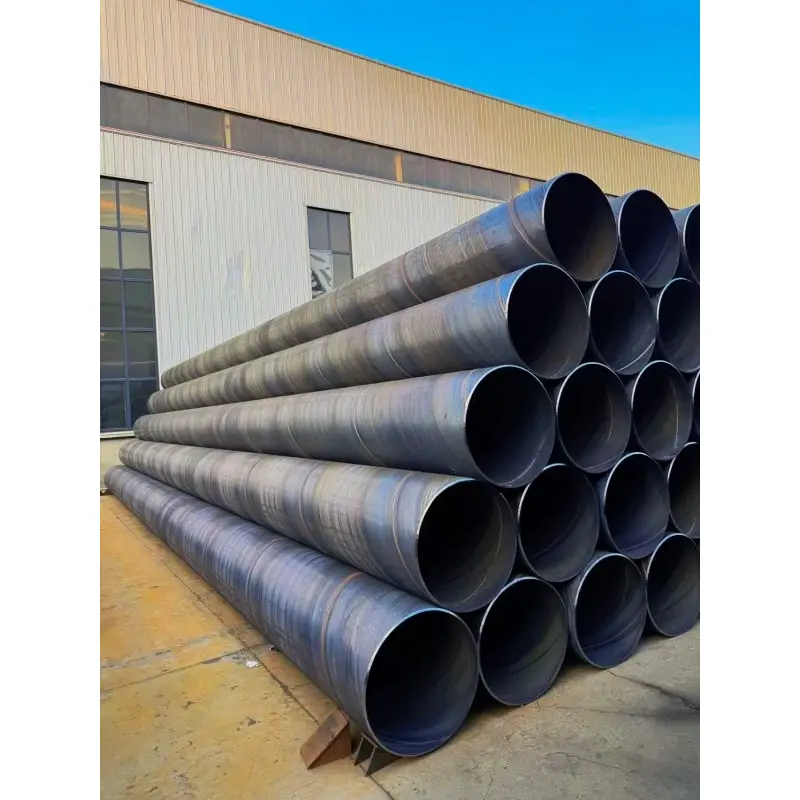
Selecting pipe is rarely an emotional decision, but the consequences of that choice certainly stir strong feelings. The right pipe brings peace of mind. It means you do not wake up at 3 a.m. worrying about a buried water line failing. It means your construction crew can keep moving without stopping to rework a poor joint. It means your agricultural fields receive water on schedule, and your oil field operation stays within environmental compliance limits. These outcomes translate into confidence, reduced stress, and the satisfaction of a job done correctly the first time.
When you choose the Small Diameter Spiral Welded Steel Pipe from Tianjin YuJie Steel Pipe Trading Co., Ltd., you are not just buying steel. You are buying reliability that extends through the entire project lifecycle. You are choosing a supplier that treats your specifications as commitments, not suggestions. The pipe arrives with the correct dimensions, the documented test results, and the protective coating you requested. That reliability removes friction from your day-to-day operations and allows you to focus on what you do best—building, growing, producing, and delivering.
There is also a quiet pride in using a product that meets international standards and performs as advertised. Engineers can sign off on designs with confidence. Procurement managers can close out purchase orders knowing they secured a fair price without sacrificing quality. Site supervisors can walk the line and see straight runs, tight joints, and a pipe that fits exactly as planned. Those small moments of satisfaction accumulate into a project that finishes on time and under budget.
There are many types of steel pipe on the market, including seamless, longitudinal welded, and ERW options. Each has its place, but the small diameter spiral welded variant offers a unique combination of benefits that makes it the preferred choice in several situations.
Seamless pipe is often superior for high-pressure, high-temperature applications, but it comes at a significant cost premium, especially in small diameters where production efficiency drops. Spiral welded pipe, by contrast, is produced from steel coil in a continuous process that generates less waste and allows for competitive pricing. For low to medium pressure and structural uses, this product delivers more than enough strength at a much more attractive price point.
The helical weld on this pipe is not a weak point; it is a controlled feature. The seam is longer than a straight seam, but the submerged arc welding process deposits a consistent, full-penetration bead. This helical path actually helps distribute stresses, making the pipe less prone to stress concentration at any single point. In many cases, the spiral welded pipe performs better under combined loading than a straight-seam pipe of the same diameter and wall thickness.
Not every project needs a 500 mm pipe. When you need something smaller—say 114 mm or 168 mm—the spiral welding process remains highly efficient. Longitudinal welded pipe in these sizes may be limited by equipment constraints or cost. The spiral method allows for precise diameter control at smaller sizes without the need for expensive mandrels or dies, giving the buyer access to a wider range of dimensions.
Because the production line for small diameter spiral welded pipe is designed for continuous operation, lead times are often shorter than those for seamless alternatives. Tianjin YuJie Steel Pipe Trading Co., Ltd. maintains close relationships with mills and can coordinate large or small orders efficiently. Whether you need a single truckload or a multi-container shipment, the supply chain is built to respond quickly to changing project schedules.
Not every supplier provides the level of documentation required for critical applications. This product can be delivered with mill test certificates, material traceability reports, and test results for each heat and batch. That paper trail is invaluable for third-party inspections, regulatory compliance, and long-term asset management.
To understand why this pipe performs so well, it helps to look at how it is made. The process begins with a hot-rolled steel coil that has been inspected for surface defects and dimensional consistency. The coil is fed into a forming machine that gradually bends the strip into a helical shape. As the edges come together, an automatic submerged arc welding unit deposits the weld along the seam. The welding parameters—current, voltage, travel speed, and flux type—are tightly controlled to ensure consistent penetration and a clean bead profile.
After welding, the pipe passes through a series of sizing and straightening stations that bring it into compliance with the required diameter and ovality limits. The weld seam is then inspected using ultrasonic testing equipment that can detect internal porosity, lack of fusion, or cracks that would not be visible to the naked eye. Hydrostatic testing may also be performed to verify that the pipe can hold the specified pressure without leaking or deforming. Dimensional checks confirm wall thickness, diameter, and length against the order specification.
This disciplined approach to quality control is what allows Tianjin YuJie Steel Pipe Trading Co., Ltd. to supply products that consistently meet API 5L, GB/T 9711, SY/T 5037, EN 10219, and ASTM A252 requirements. The company understands that a pipe is only as good as the tests it passes, and every shipment is backed by the necessary certificates and reports to prove that quality was built in, not just inspected at the end.
Corrosion is the enemy of any steel product. The Small Diameter Spiral Welded Steel Pipe can be protected with a variety of coating systems, each selected based on the environmental conditions and the fluid being transported. A black bare finish is appropriate for indoor structural applications where the steel will be painted by the customer. An oiled finish provides temporary corrosion protection during transit and storage. Hot-dip galvanizing adds a thick zinc layer that protects the steel from atmospheric and water corrosion for decades, making it ideal for outdoor fencing, handrails, and irrigation systems.
For buried pipelines, 3PE coating—consisting of a fusion-bonded epoxy primer, an adhesive layer, and a polyethylene outer layer—offers excellent resistance to soil stress, moisture, and chemical attack. Epoxy coatings provide a smooth, durable surface for water and wastewater applications. Cement mortar lining can be applied internally for potable water lines, providing a protective alkaline layer that inhibits internal corrosion and maintains water quality.
Selecting the right coating is not a one-size-fits-all decision. The team at Tianjin YuJie Steel Pipe Trading Co., Ltd. can guide you through the options based on your soil conditions, operating temperature, flow rate, and maintenance capabilities. This consultative approach ensures that the pipe you receive is not only well made but also well protected for the specific environment in which it will operate.
Q: What is the difference between small diameter spiral welded pipe and ERW pipe?
A: ERW, or electric resistance welded pipe, is formed from flat steel strip and welded along a straight longitudinal seam using electrical resistance heating. Spiral welded pipe is formed by helically winding the steel strip and welding the seam with a submerged arc process. The spiral seam distributes stress differently and can be more cost-effective for certain diameter-to-wall-thickness ratios. Spiral welded pipe also tends to have excellent dimensional accuracy and can be produced in longer lengths without increasing seam length proportionally. Both types have their uses, but spiral welded pipe often provides better performance under combined loading and is a strong choice for low to medium pressure fluid transport and structural piling.
Q: Can this pipe be used for drinking water systems?
A: Yes, provided the appropriate internal coating or lining is specified. For potable water applications, a cement mortar lining or an approved epoxy coating is often used to protect the steel from internal corrosion and prevent any reaction with the water. The external surface can be coated with 3PE or another suitable anti-corrosion layer for buried service. It is important to specify the intended use when ordering so that the correct coating system and testing requirements can be applied. The pipe itself can be manufactured to meet the relevant standards for water service, and Tianjin YuJie Steel Pipe Trading Co., Ltd. can provide documentation to support compliance.
Q: What is the maximum pressure rating for this pipe?
A: The pressure rating depends on the outside diameter, wall thickness, steel grade, and the service temperature. For a given material, the allowable pressure is calculated using the formula P = (2 * S * t * E) / D, where S is the allowable stress, t is the wall thickness, E is the weld joint efficiency factor, and D is the outside diameter. For small diameter spiral welded pipe with a wall thickness of 6 mm in a 168 mm OD and grade Q235, the pipe might comfortably handle working pressures in the range of 2.0 to 4.0 MPa, but this varies. Always consult the manufacturer with your specific pressure requirements so that the correct wall thickness and grade can be selected.
Q: Is custom cutting available for small orders?
A: Yes. Tianjin YuJie Steel Pipe Trading Co., Ltd. understands that not every project requires full 6-meter or 12-meter lengths. Custom cutting to your specified lengths is available, which reduces on-site cutting time and material waste. Additionally, end beveling for welding or threading for mechanical connections can be performed before shipment. This service is valuable for contractors who want their pipe ready to install as soon as it arrives on site. Even for smaller quantities, the company strives to accommodate customization requests within reasonable production scheduling.
Q: How is the weld seam quality verified?
A: The weld seam is inspected using ultrasonic testing (UT), which can detect subsurface defects such as lack of fusion, porosity, and cracks. In some cases, radiographic testing (RT) may also be performed for critical applications. In addition, hydrostatic testing checks the pipe’s ability to hold pressure without leaking. The manufacturer maintains calibrated inspection equipment and trained operators to ensure reliable results. Each batch of pipe is accompanied by test certificates and traceability records that link the product back to the original steel coil heat number.
Q: What are the shipping and packaging options?
A: Pipes can be bundled with steel straps, protected with end caps, and loaded into standard 20-foot or 40-foot containers for international shipping. For bulk orders, break-bulk vessel loading can be arranged. The company has experience with export documentation, including commercial invoices, packing lists, bills of lading, and certificates of origin. Proper packaging is critical to prevent damage during transit, especially for coated pipes. Tianjin YuJie Steel Pipe Trading Co., Ltd. uses protective wraps and bundling materials to keep the pipe surfaces in excellent condition from the factory to your receiving yard.
Q: What standards does this pipe comply with?
A: The Small Diameter Spiral Welded Steel Pipe can be manufactured in accordance with several international and national standards. Common references include API 5L for line pipe, GB/T 9711 for petroleum and natural gas industries, SY/T 5037 for low-pressure fluid transportation, EN 10219 for cold-formed welded structural hollow sections, and ASTM A252 for welded and seamless steel pipe piles. The applicable standard is typically specified at the time of inquiry and is confirmed on the mill test certificate. This flexibility allows the product to serve a broad range of regulated and non-regulated markets.
Q: Can the pipe be supplied with a galvanized finish?
A: Absolutely. Hot-dip galvanizing is a common surface treatment option. The pipe is immersed in a bath of molten zinc, which forms a metallurgically bonded coating that is highly resistant to corrosion. This finish is particularly popular for outdoor structural applications, irrigation systems, and utility piping that will be exposed to weather. The zinc coating thickness can be specified according to standards such as ASTM A123 or ISO 1461. If galvanizing is required, the pipe is typically fabricated first and then galvanized to ensure the coating covers all surfaces, including the weld seam and ends.
Q: What is the minimum order quantity?
A: The minimum order quantity depends on the specific size, wall thickness, and customization requirements. For stock sizes, smaller trial orders may be possible. For non-standard items that require special production runs, a larger quantity may be necessary to cover mill setup costs. The best approach is to contact Tianjin YuJie Steel Pipe Trading Co., Ltd. with your detailed specifications and required quantity. The sales team will work with you to find an economical solution that fits your project scope and budget.
Q: How does the spiral weld affect the pipe’s strength compared to a straight weld?
A: A spiral weld is not inherently weaker than a straight weld. In fact, because the weld is oriented at an angle to the pipe’s axis, it can help distribute stresses from internal pressure, bending, and torsion more evenly around the circumference. The submerged arc welding process produces a full-penetration weld with a smooth, uniform profile. When the pipe is properly manufactured and inspected, the helical seam becomes an integral part of the structure. Engineers often find that spiral welded pipe offers excellent resistance to buckling and fatigue under cyclic loading, making it a reliable choice for both pressure and structural applications.
Q: Can I get pipe with a specific steel grade for sour service?
A: Sour service environments contain hydrogen sulfide, which can cause sulfide stress cracking in some steels. If your application involves sour service, it is essential to specify this requirement at the inquiry stage. The pipe can be manufactured from grades that meet NACE MR0175/ISO 15156 requirements for sour service. Additional testing, such as hardness testing and hydrogen-induced cracking resistance, may be required. Tianjin YuJie Steel Pipe Trading Co., Ltd. can coordinate with the mill to supply the appropriate material and documentation for these demanding conditions.
Q: Is the pipe suitable for underground installation?
A: Yes, underground installation is one of the most common applications for this product. To ensure long service life, the pipe should be protected with a suitable external coating, such as 3PE, epoxy, or coal tar enamel, depending on soil corrosivity and project requirements. Proper bedding and backfill practices are also critical to prevent point loading and deformation. The spiral welded design provides high ring stiffness that helps resist external loads from soil and traffic. When installed correctly, this pipe can remain in service for decades.
Q: What information do I need to provide to get a quote?
A: To receive an accurate quote, please provide the outside diameter, wall thickness, length, steel grade, quantity, end finish, surface treatment, and any applicable standard or testing requirements. If the pipe is for a specific application such as water, oil, gas, or piling, include that information so the correct product configuration can be recommended. If you have delivery deadline or destination port details, sharing those helps with logistics planning. The more complete your inquiry, the faster and more accurately the sales team can respond.