Straight Seam Welded Steel Pipe,Steel Profiles,Portable Container Houses,Cold-Rolled Seamless Steel Pipe,Hot-Rolled Seamless Steel Pipe,Spirally Welded Steel Pipe
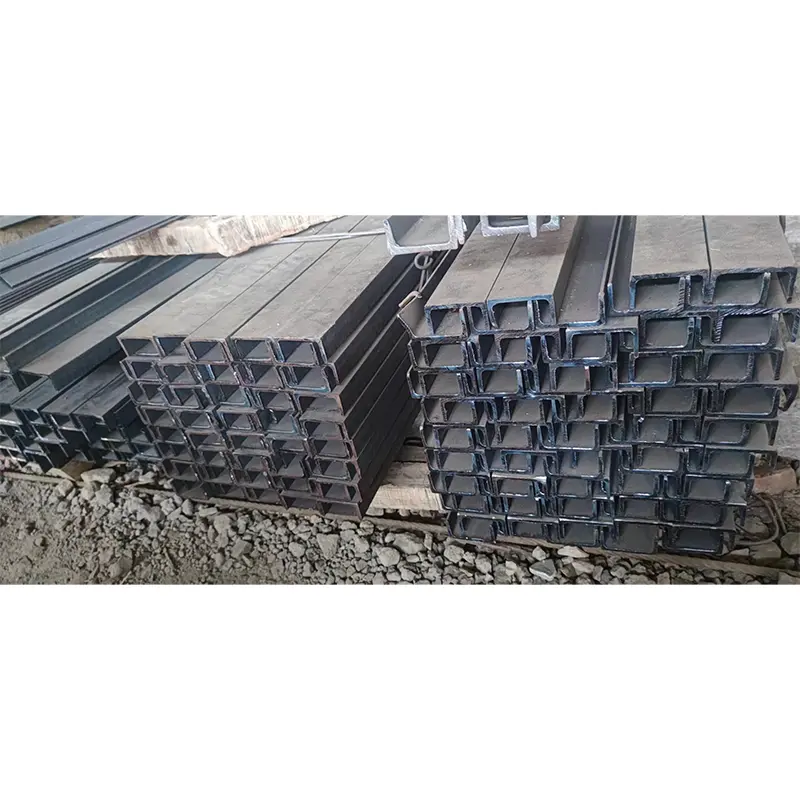
Every structural project begins with a quiet question: will the material hold, fit, and arrive as promised? For fabricators, contractors, and industrial buyers, that question is answered long before the first weld is made. It is answered in the steel itself. Black Channel Steel supplied by Tianjin YuJie Steel Pipe Trading Co., Ltd. has been moving through workshops, warehouses, and construction sites with a reputation built on dimensional accuracy, dependable strength, and surface quality that respects the demands of real work. This product is not a generic channel. It is a carefully sourced and inspected structural channel designed for load-bearing frames, supports, guides, and fabricated assemblies across mechanical, civil, and industrial applications.
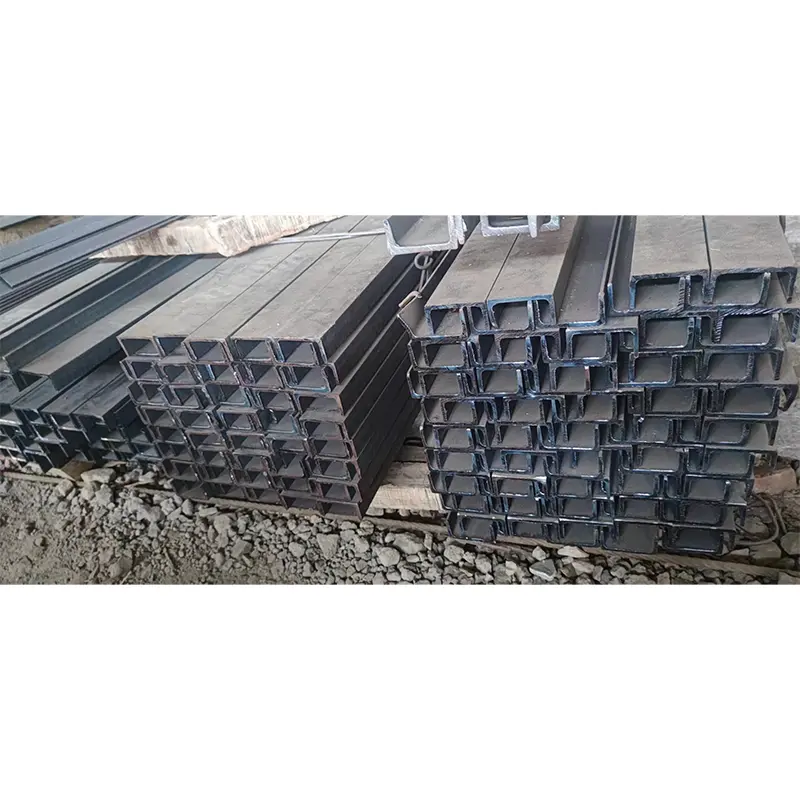
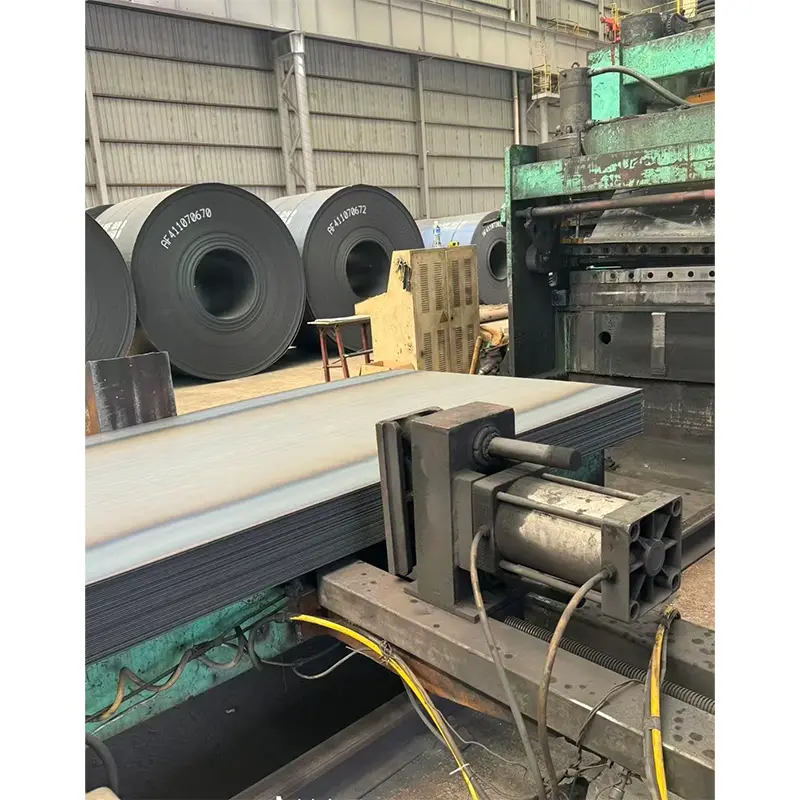
The typical journey of Black Channel Steel begins in a hot-rolled process that gives the channel its characteristic web and flange geometry. The material arrives with a dark, mill-scale surface that many professionals prefer for welding and painting preparation. Because the surface has not been coated with oil or heavy lacquer, it accepts weld spatter inspection easily, shows surface defects clearly, and allows primers or paints to bond after light mechanical cleaning. Tianjin YuJie Steel Pipe Trading Co., Ltd. maintains this balance between raw utility and controlled quality, ensuring that each batch reflects the standard expected by engineers and purchasing managers alike.
One of the first things a buyer notices is how the channel sits. The flanges are parallel within tight tolerances, and the web thickness is consistent from end to end. This matters when channels are placed back-to-back, nested, or used as tracks for moving components. A twisted or bowed channel can turn a simple frame assembly into hours of rework. Black Channel Steel from Tianjin YuJie Steel Pipe Trading Co., Ltd. is selected and inspected to reduce that hidden cost. The product is stocked in common lengths and can be cut, bundled, and labeled according to project-specific instructions. This practical flexibility means that a workshop can receive material ready for its saw line, not material that requires additional sorting before work begins.
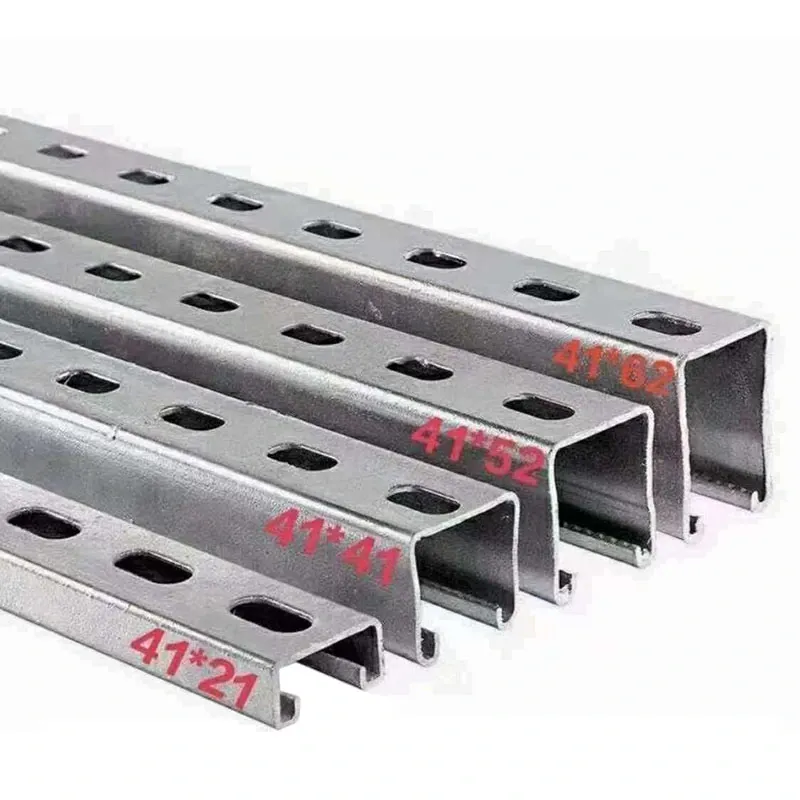
In structural framing, the channel serves as a beam, a column stiffener, a horizontal girt, or a diagonal brace. In equipment manufacturing, it becomes a base frame, a guard rail support, or a mounting rail. In agricultural and automotive settings, it provides the rugged backbone for trailers, racks, and conveyors. The versatility of Black Channel Steel comes from its shape: the C-profile resists bending along its strong axis while offering accessible flanges for bolted or welded connections. Because it is hot-rolled rather than cold-formed from thin strip, it carries a thicker, more robust cross-section with predictable mechanical properties. This is the kind of material that does not surprise the welder or the stress engineer.
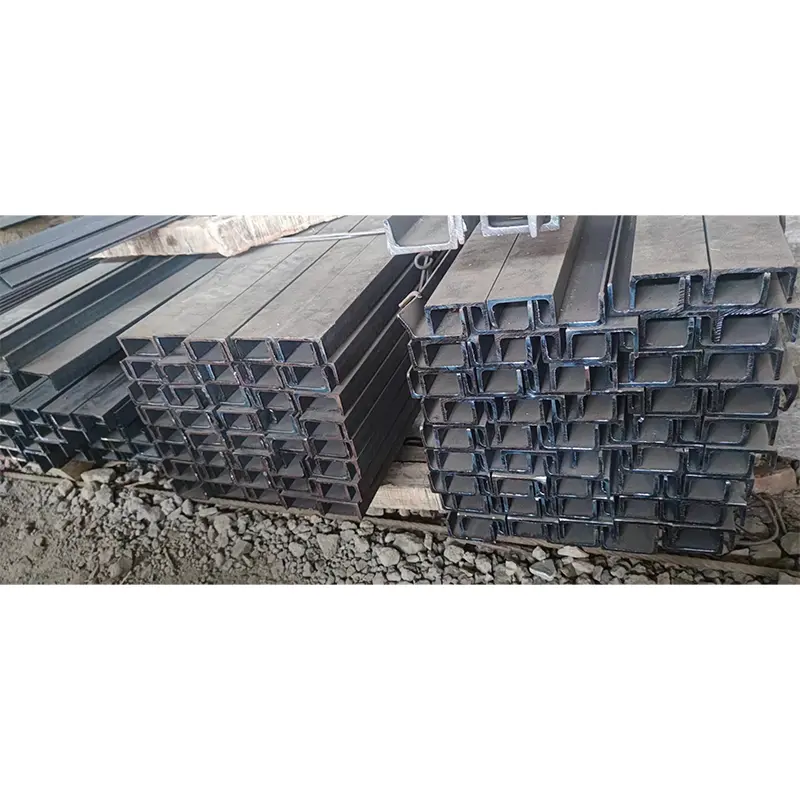
Surface preparation is one of the main reasons professionals choose Black Channel Steel over pre-painted or heavily oiled alternatives. The mill scale that remains after hot rolling provides a moderate degree of atmospheric protection during short-term outdoor storage. More importantly, it can be removed predictably by sandblasting, wire brushing, or chemical pickling when a project demands a clean substrate. For galvanizing, the channel can be pickled and fluxed without battling stubborn coatings. For painting, a light sweep blasting followed by a primer delivers strong adhesion. Tianjin YuJie Steel Pipe Trading Co., Ltd. understands that surface condition is not merely cosmetic; it influences downstream processing time and coating life.
Dimensional consistency is another reason this product earns repeat orders. The web and flange thicknesses are checked against recognized standards, and the overall depth and width are verified during incoming quality control. A channel that varies by a few millimeters across a bundle can force fabricators to adjust fixture settings repeatedly. That variation also affects load distribution in multi-member assemblies. By sourcing from mills with stable rolling practices and by auditing the material before shipment, the company reduces the dimensional drift that plagues lower-tier products. The result is a Black Channel Steel product that fits the drawing and the fixture without rework.
Weldability is a central concern for any structural steel, and Black Channel Steel performs as expected from a hot-rolled carbon steel product. It can be welded with common processes such as SMAW, GMAW, and FCAW using standard filler metals matched to the base material. The absence of heavy rust or mill oil means fewer weld defects such as porosity or lack of fusion. Welders can position the channel easily, tack it without excessive cleaning, and produce consistent fillet and groove welds. For critical joints, preheat and interpass temperature control follow normal carbon steel practice. This predictable behavior reduces procedure qualification costs and helps shops move from one job to the next without process interruptions.
Cutting and drilling are equally straightforward. The hot-rolled material can be saw cut, plasma cut, or oxygen cut depending on available equipment. The web and flanges have enough thickness to support drilled or punched holes without excessive burr formation. For structural connections, standard bolt diameters can be accommodated in the flange or web as required. Because the channel is supplied in straight, well-bundled lengths, it can be loaded into automatic saw systems without manual straightening. That level of straightness is not an accident; it is the result of proper storage, handling, and inspection before packing.
Fabrication shops often face a familiar set of problems. Steel arrives with heavy rust, forcing hours of grinding before welding. Channel sections arrive with a twist, so they do not sit flat on the fixture table. Bundles contain mixed lengths or inconsistent thicknesses, causing confusion at the saw. Delivery is late or poorly packed, leading to damaged material and schedule pressure. Black Channel Steel supplied by Tianjin YuJie Steel Pipe Trading Co., Ltd. addresses these pain points directly.
For rust and surface contamination, the product is stored under covered conditions where possible and inspected for excessive scale or pitting before load-out. The surface is not artificially coated to hide defects. Buyers receive material that can go directly to the blasting booth or welding station after a light clean. For twist and bow, the mill process and handling procedures prioritize straightness. Channels are bundled with care and secured to minimize movement during transit. For mixed lengths, the company works with customers to supply cut-to-length material or clearly labeled stock lengths, reducing sorting time. For schedule and packaging, export-standard bundling with edge protectors and waterproof wrapping is available, and shipping documentation matches the actual load. This practical problem-solving approach turns a commodity product into a reliable part of the supply chain.
| Parameter | Typical range or option | Notes |
|---|---|---|
| Depth of channel | 50 mm to 400 mm | Common sizes: 50, 75, 100, 120, 140, 160, 180, 200, 250, 300, 400 mm |
| Flange width | 37 mm to 110 mm | Varies by depth and standard designation |
| Web thickness | 4.5 mm to 14.5 mm | Checked for compliance with nominal dimensions |
| Flange thickness | 7.0 mm to 16.0 mm | Measured at mid-flange or outer edge depending on standard |
| Material grade | Q235B, Q345B, SS400, A36, S235JR, S275JR, S355JR | Other grades can be discussed based on availability |
| Manufacturing process | Hot-rolled | Provides consistent cross-section and mechanical properties |
| Surface condition | Black mill scale, uncoated | Ideal for welding, painting after cleaning, or galvanizing |
| Length options | 6 m, 9 m, 12 m, or custom cut | Custom cutting available to reduce on-site processing |
| Inspection | Visual, dimensional, mill certificate review | Third-party inspection can be arranged for larger orders |
| Packing | Bundled, steel strapped, edge protected | Export wrapping and loading supervision available |
The table above reflects common supply capabilities for Black Channel Steel. Specific diameter, thickness, and length combinations can be confirmed at the time of inquiry. Because Tianjin YuJie Steel Pipe Trading Co., Ltd. works with a network of qualified mills, buyers can often obtain non-standard depths or cut lengths without excessive lead time. This flexibility is especially valuable for maintenance teams that need to match an existing structural profile in an older building or machine frame.
Structural engineers specify channel sections for a wide range of load paths. A channel used as a lintel above an opening carries the weight of the wall above and transfers it to the jambs. A channel used as a trolley rail supports the rolling load of a hoist. A channel used as a machine base provides a flat, stiff mounting surface for motors, gearboxes, and bearings. In each case, the product must remain straight, weldable, and dimensionally stable. Black Channel Steel is selected for these roles because it delivers the mechanical predictability that design calculations assume.
Contractors and erectors value the product for its ease of handling. The open profile allows bolts to be inserted through the web or flanges without complex access. A worker can clamp the channel to a beam, drill through the web, and make a connection with standard bolts. The flange width is generous enough to accept washers and nuts without overhang. When field adjustments are required, the material can be cut with a portable band saw or oxy-fuel torch. This field-friendly character reduces the need for specialized tools and speeds up onsite assembly.
Maintenance and repair teams use Black Channel Steel to replace corroded structural members, reinforce existing frames, or build temporary supports. Because the product is available in stock lengths and can be cut to size, it reduces downtime in plants and facilities. A maintenance supervisor can keep a few lengths of channel in the storeroom and be ready for unexpected repairs. The black surface is easily inspected for cracks or excessive wear after service, which supports preventive maintenance programs. The absence of paint also means repairs can be made without first identifying an unknown coating system.
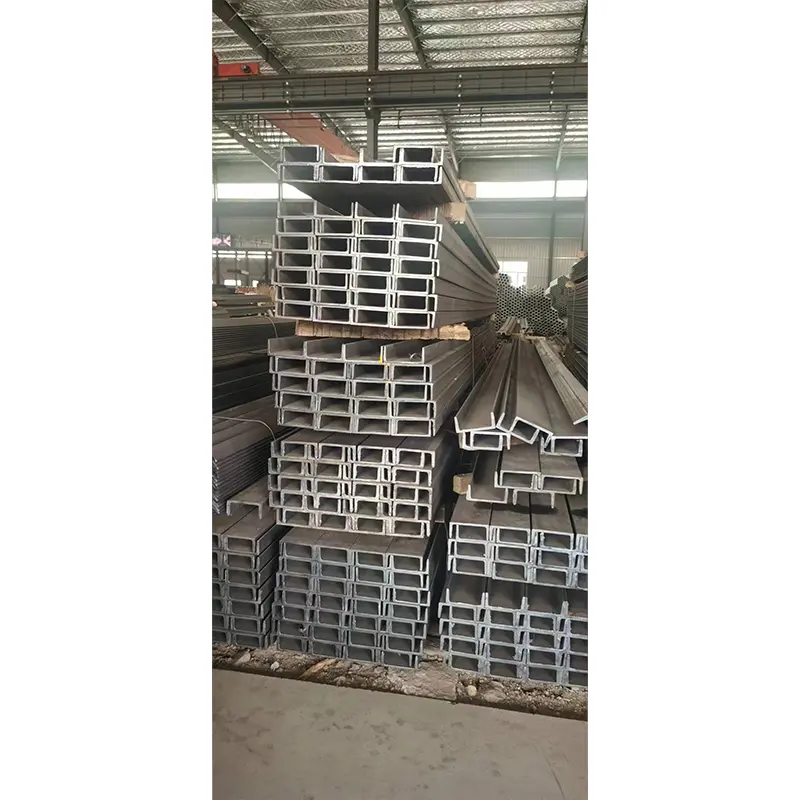
Agricultural and rural builders appreciate the strength-to-weight ratio of channel sections. Equipment frames, gates, livestock handling systems, and shed columns all benefit from the open profile and easy connectability. The material can be welded with portable welders and painted with standard farm-grade coatings. Its hot-rolled origin means it is less likely to dent or deform under rough use compared to thin cold-formed sections. For buyers who need dependable material without over-specifying expensive alloys, Black Channel Steel is a practical, cost-conscious choice.
OEM manufacturers use Black Channel Steel in products that range from commercial shelving to industrial machinery. The channel forms the structural skeleton of modular racks, conveyor frames, and material handling carts. Because product dimensions are consistent, automated welding fixtures and robotic cells can be programmed once and run across many batches. This repeatability is a hidden value; it allows manufacturers to maintain production rates without constant reprogramming. The steel also can be powder coated after degreasing and light blasting, yielding a durable finish for end-user products.
There is a distinct sense of ease when structural steel behaves the way it should. The fitter does not fight a bowed web. The welder does not chase porosity caused by mystery oil. The project manager does not reorder material because half a bundle was unusable. Black Channel Steel from Tianjin YuJie Steel Pipe Trading Co., Ltd. creates that kind of quiet confidence. It removes the small frictions that add up to late deliveries and thin margins.
For a fabricator, the material arriving straight and true means the first piece can go into the fixture immediately. The saw blade lasts longer because the steel is not contaminated with abrasive scale or hard surface oxides. The weld inspector sees clean, uniform beads because the base metal is consistent. For the business owner, that translates into fewer hours per ton and a more predictable cost estimate for the next bid. The material may look like any other black channel, but the difference shows up in the workflow.
For a contractor, using dependable steel channel means fewer surprises at the jobsite. The beam pockets line up with the drawings. The bolt holes land where they should. The erected frame stands plumb and square without excessive shimming. When the structural steel fits, the entire project schedule benefits. Electricians, plumbers, and other trades can proceed without waiting for rework. The general contractor builds trust with the client and avoids expensive delay claims. That is the kind of value that extends well beyond the invoice price.
For a design professional, specifying Black Channel Steel from a supplier with a documented quality chain provides peace of mind. Mill certificates can be reviewed, dimensional checks can be witnessed, and material traceability can be maintained. The product aligns with standard structural steel design assumptions, so calculations do not need to be downgraded for uncertain material properties. The engineer can detail connections with confidence, knowing the web thickness will be there, the flange width will be there, and the material will respond to welding as expected.
Many suppliers treat channel steel as an interchangeable commodity. The material is sourced, sold, and shipped with minimal attention to condition, straightness, or customer requirements. The result is often a bundle that arrives rusted, bent, mixed, and barely documented. Tianjin YuJie Steel Pipe Trading Co., Ltd. takes a different approach. Black Channel Steel is not simply a product code; it is a promise about how the material will arrive and perform in the customer's hands. This difference shows up in several practical ways.
The first difference is selection. Not every heat of hot-rolled channel is identical. Surface quality, straightness, and edge condition can vary. The company works with mills that demonstrate consistent rolling practices and rejects material that does not meet its own visual and dimensional thresholds. This selection step keeps the lower end of the tolerance range from becoming the customer's problem. It is a quiet form of quality assurance that does not require a formal third-party certificate on every order.
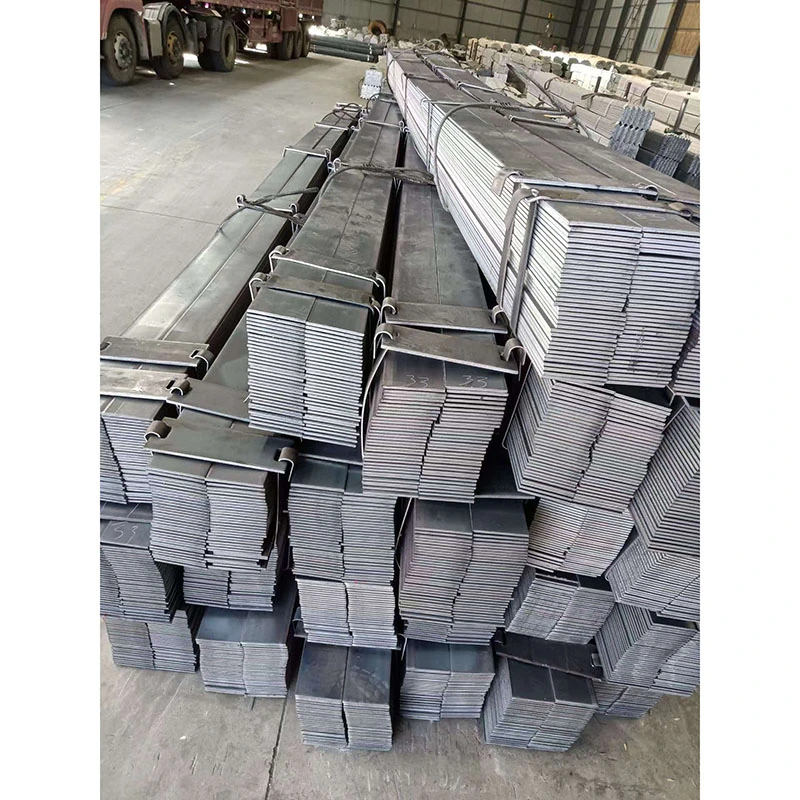
The second difference is handling. Steel channel is heavy and awkward. If it is dropped or dragged, it will bend or develop burrs. The company's warehousing and loading procedures are designed to keep the material clean and straight. Bundles are lifted at multiple points, stored on level supports, and loaded with proper dunnage. These practices reduce handling damage that can be invisible until the channel is placed in a fixture. For export orders, the material is packed with wood or steel edge protectors and wrapped to resist moisture during ocean transit.
The third difference is communication. Buyers often have specific questions about length tolerances, piece counts, coating requirements, or shipping schedules. The company responds with practical, informed answers rather than generic sales language. If a project needs a particular grade or a cut length, the team checks availability and confirms lead time. If a mill certificate is needed, it is provided. If a partial shipment makes sense to meet a construction deadline, that can be arranged. This service-oriented approach makes the purchasing process less stressful for busy professionals.
Successful fabrication with Black Channel Steel begins with proper storage. The material should be kept off the ground on timber or steel dunnage, with enough support points to prevent sagging. If stored outside, it should be covered or tilted to allow water to drain. While the mill scale offers some protection, prolonged exposure to standing water or salt spray will cause corrosion. A simple tarp and good airflow are often enough for short-term outdoor storage.
When cutting, a band saw with a bi-metal blade works well for production shops. The cutting speed should be matched to the material thickness and cross-section. Plasma and oxy-fuel cutting are also effective, especially for field work or complex geometry. The cut edges will have a heat-affected zone that may need light grinding before welding or painting. For structural connections, holes can be drilled or punched. Punching should be limited to materials and thicknesses allowed by the punch tooling to avoid excessive die clearance or cracking at the hole edge.
For welding, the material should be clean and dry. Remove loose mill scale, rust, oil, and moisture from the joint area. A light grinding or wire brushing is usually sufficient for non-critical welds. For critical or fatigue-loaded joints, grind to clean base metal. Use a filler metal compatible with the base material strength. Common choices include ER70S-6 for GMAW and E7018 for SMAW on mild steel grades. Preheat may be required for thick sections or low ambient temperatures; follow the welding procedure specification. After welding, inspect for cracks, undercut, and incomplete fusion. The black surface makes these defects easier to see than on coated materials.
For painting, the surface should be prepared by abrasive blasting or power tool cleaning to remove mill scale and rust. A primer designed for structural steel should be applied as soon as possible after cleaning to prevent flash rust. For galvanizing, the channel can be sent to the galvanizer without extensive pre-cleaning, but heavy rust or oil must be removed. The hot-dip galvanizing process will pick up the oil and scale, but a cleaner surface produces a smoother, more uniform coating. The company can supply the channel in a condition suitable for immediate galvanizing or painting upon request.
Stock lengths commonly include 6 meters, 9 meters, and 12 meters, depending on the size and mill production. Custom cutting is available for many orders. The team can cut to a specified length with a tolerance of plus or minus a few millimeters, depending on the cutting method. This service is useful for fabrication shops that want to reduce scrap and saw time. It also helps when the material must fit into a container or a specific storage area. If you need custom cuts, provide the exact length and the number of pieces so the team can confirm the best cutting plan.
Yes. For orders where traceability and mechanical properties are required, mill test certificates can be provided. The certificate typically includes the heat number, chemical composition, yield strength, tensile strength, elongation, and impact results if applicable. The certificate can be matched to the bundle tags so you know exactly which heat of steel went into your shipment. If your project requires third-party inspection, that can also be arranged before shipment, and the inspector can review the material, dimensions, and documentation at the warehouse or port.
Black Channel Steel is well suited for hot-dip galvanizing. The uncoated black surface allows pickling acids to reach the base metal and remove mill scale efficiently. For the best galvanizing result, the material should be free of heavy rust, paint, and oil. The galvanizer will handle normal mill scale and light surface rust. If the channel has been stored outdoors for a long time and shows pitting, the galvanized coating may have a rougher appearance but usually still meets corrosion performance requirements. Pre-cleaning by blasting can improve the final surface quality for architectural applications.
Common grades include Q235B, Q345B, SS400, A36, S235JR, S275JR, and S355JR. Q235B and A36 are widely used for general structural work, machine frames, and supports. Q345B and S355JR offer higher yield strength and are suitable for heavier loads or weight-sensitive designs. For most non-critical fabrications, Q235B or A36 is economical and easy to weld. If your design calculation specifies a minimum yield strength, choose the grade that meets or exceeds that requirement. The company can advise on grade availability based on the channel size and quantity.
The material is bundled and secured to prevent movement during handling and transit. Before loading, the channel is inspected for visible bow, twist, and surface defects. The bundles are lifted at multiple points to avoid inducing a permanent set. For export shipments, edge protectors and separators are used to protect the flanges and web from strap damage. If a channel is found to be bent or twisted upon arrival, document it with photos and contact the company immediately so the issue can be reviewed and resolved. Proper handling at the receiving end also matters; use spreader bars or multiple slings to unload long bundles.
Yes, it welds readily to plates, angles, wide flange beams, square tubes, and other carbon steel sections. The joint design and filler metal should be selected based on the thicker member and the service condition. The black surface should be cleaned in the weld zone to achieve good fusion. For full-strength connections, follow a qualified welding procedure. The channel is often used with web stiffeners, end plates, and gusset plates to form built-up beams, columns, and truss members. This versatility makes it a favorite in custom fabrication shops where mixed material assemblies are common.
Hot-rolled channel is formed from a heated billet or bloom and has a thicker, more robust cross-section with tapered flanges in some standards. Cold-formed channel is made by bending flat strip at room temperature and typically has a thinner wall with sharper corners. Hot-rolled channel offers better dimensional stability under load, higher resistance to local buckling, and more material thickness for structural applications. Black Channel Steel is hot-rolled, which makes it suitable for load-bearing frames and industrial equipment. Cold-formed channel is often used for lighter framing, purlins, and non-structural trim.
The weight of a channel is based on its cross-sectional area and length. Standard channel tables provide a nominal weight per meter for each size. To estimate the total weight, multiply the weight per meter by the total length in meters. For example, a channel with a nominal weight of 20 kilograms per meter and a total order length of 500 meters would weigh approximately 10,000 kilograms. The actual weight may vary slightly due to rolling tolerances. The company can provide a theoretical or actual weight for your quotation and shipping documents based on the specific size and length.
Lead time depends on the size, grade, quantity, and current stock status. For standard sizes and grades that are in stock or readily available from mills, the lead time may be as short as a few days for domestic orders and a few weeks for export orders after confirmation. Custom cutting, special grades, or large quantities may require additional production time. The company provides a clear lead time estimate after receiving the details of your inquiry. Rush orders can sometimes be accommodated for smaller quantities. If your project schedule is tight, share the required delivery date as early as possible.
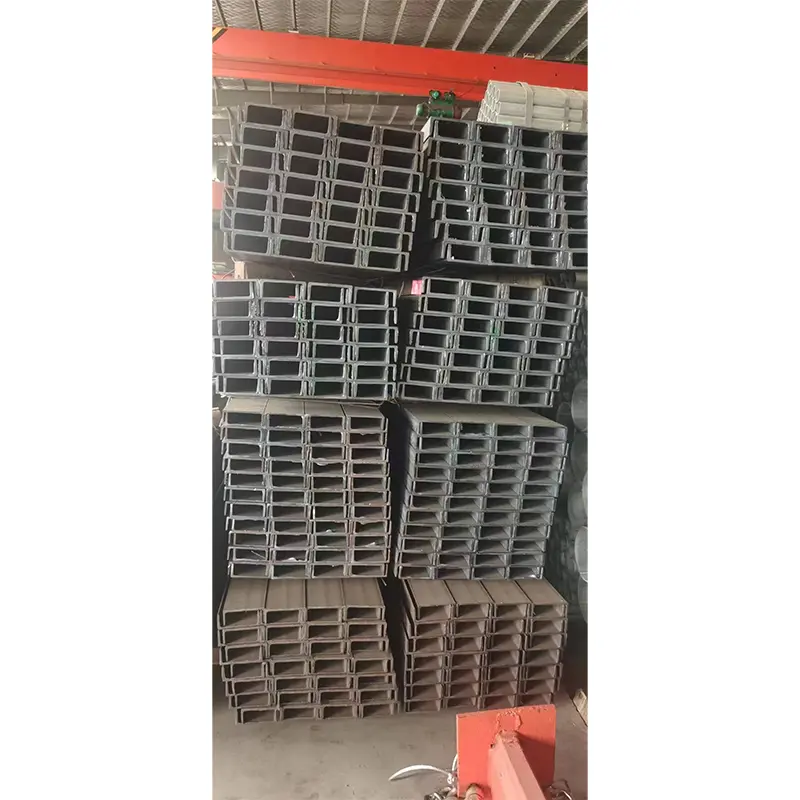
From the first inquiry to the final lift onto the jobsite, Black Channel Steel supplied by Tianjin YuJie Steel Pipe Trading Co., Ltd. is meant to reduce uncertainty. The product carries the marks of a hot-rolled structural material, but the difference lies in the attention given to its selection, straightness, packaging, and customer support. Builders who have been let down by inconsistent steel know the value of receiving material that meets the drawing and arrives ready to work. The channel may be black, but the supply process is designed to be transparent.