Straight Seam Welded Steel Pipe,Steel Profiles,Portable Container Houses,Cold-Rolled Seamless Steel Pipe,Hot-Rolled Seamless Steel Pipe,Spirally Welded Steel Pipe
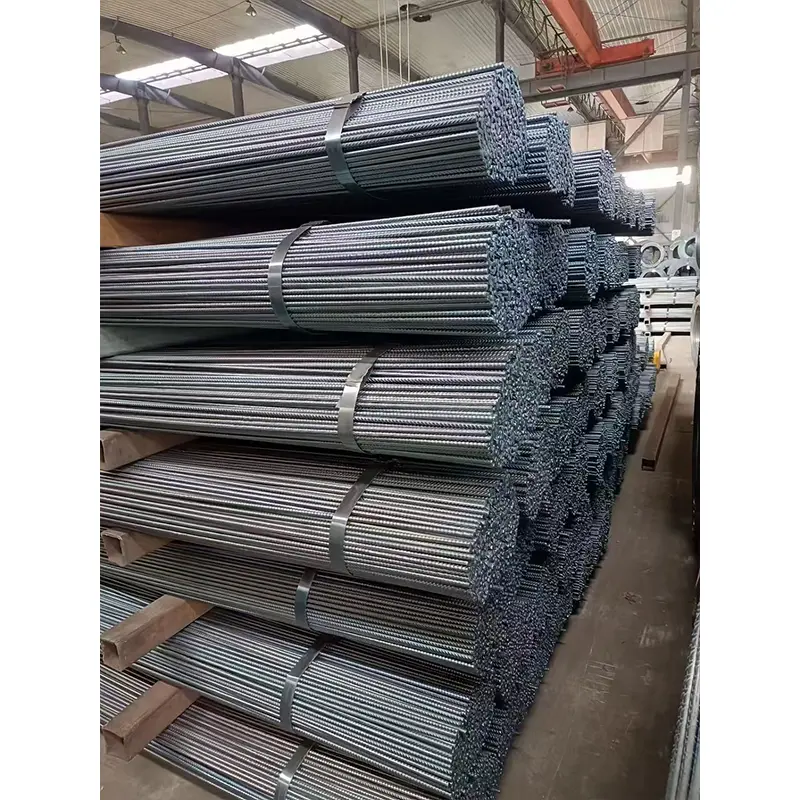
Every major structure begins with a promise—a promise that the foundation will hold, the frame will stand firm, and the load will be carried without compromise. That promise lives inside the ribbed surface of a deformed steel rebar, where mechanical interlock meets tensile power. Yet not all rebar is created equal, and the difference between average and exceptional often only reveals itself under extreme stress. For contractors, engineers, and procurement specialists who refuse to gamble on structural integrity, the search for a supplier that understands both metallurgy and reliability ends with Tianjin YuJie Steel Pipe Trading Co., Ltd. Our Deformed Steel Rebar is engineered to deliver predictable performance in reinforced concrete, season after season, inch after inch.
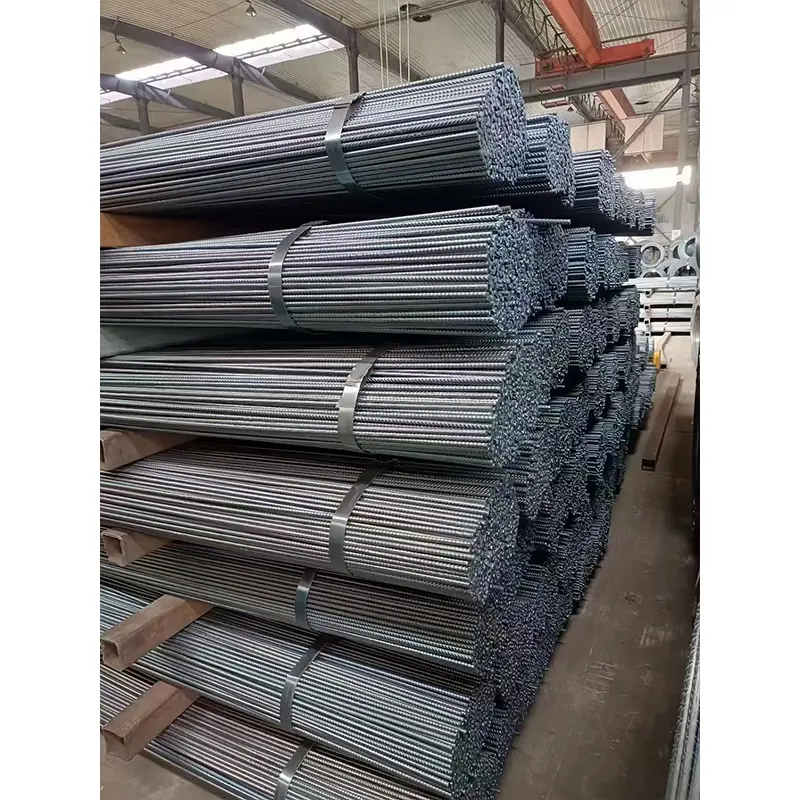
When you choose a deformed steel rebar from our inventory, you are not simply purchasing a commodity. You are securing a critical component that holds back the forces of nature—compression, tension, torsion, and time. We invite you to explore the detailed specifications, real-world applications, and quality commitments that have made Tianjin YuJie Steel Pipe Trading Co., Ltd. a trusted name among builders across residential, commercial, and industrial sectors.
Concrete possesses remarkable compressive strength, but on its own it remains brittle and weak under bending or stretching forces. This is where deformed steel rebar enters the picture. The surface of the bar is not smooth; it is patterned with ribs, lugs, and indentations that create a positive mechanical bond with the surrounding concrete. That bond prevents slippage and enables the composite material to act as a unified structural unit. The result is a dramatic increase in load-bearing capacity, crack resistance, and overall service life of the reinforced concrete element.
Our deformed steel rebar is produced from high-quality billets that undergo controlled hot rolling. The deformations are formed on the bar's surface during the rolling process, ensuring consistent rib height, spacing, and geometry across the entire length. This consistency translates into easier placement, better anchorage, and more reliable structural calculations for your engineering team. Whether you are reinforcing a simple footing or a multi-story shear wall, the predictable performance of our product reduces uncertainty and rework.
Construction schedules often clash with supply chain realities. You may have experienced delays caused by inconsistent rebar dimensions, surface rust that compromises bond strength, or suppliers who cannot provide the required grade certification. These problems are not just inconvenient—they can lead to costly project standstills, failed inspections, or even structural deficiencies. Tianjin YuJie Steel Pipe Trading Co., Ltd. addresses these pain points with a systematic approach to sourcing, quality control, and logistics.
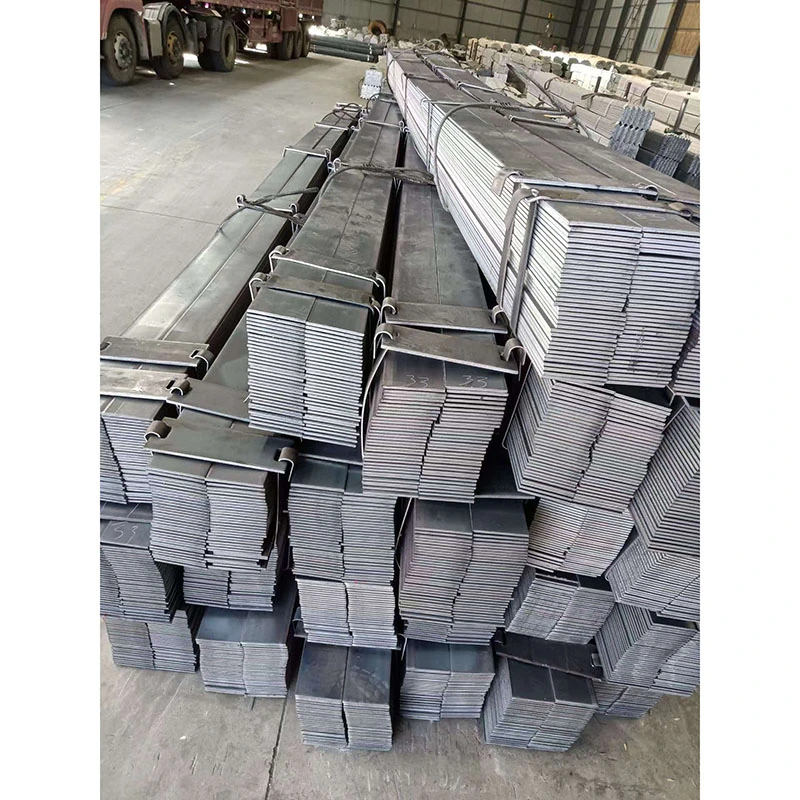
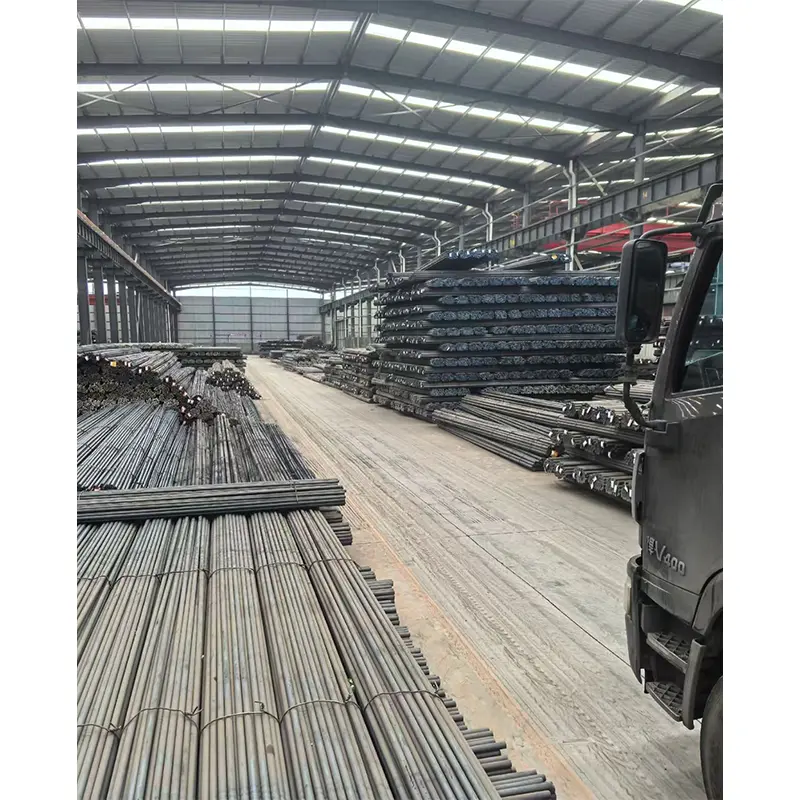
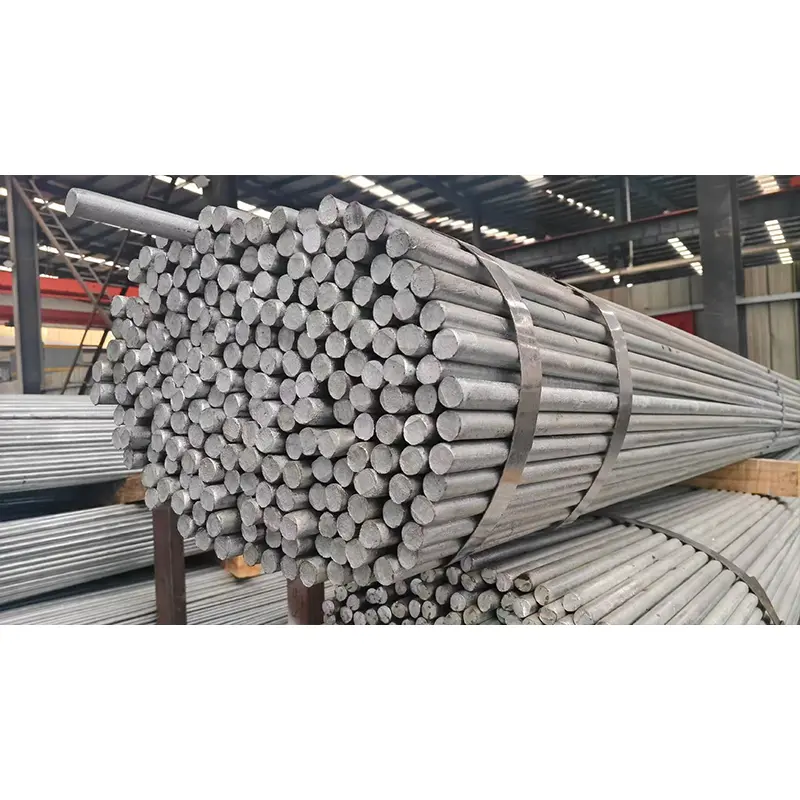
Every batch of deformed steel rebar we ship is traceable to its heat number and mill certificate. We conduct dimensional checks on diameter, rib height, and unit weight before dispatch. Surface condition is monitored to ensure that normal atmospheric rust does not exceed acceptable limits, and that no loose scale or oil contamination is present. The bars are bundled with steel straps and can be delivered in standard lengths of 6 to 12 meters, or cut to your exact requirements. This level of care means you receive material that is ready for fabrication, bending, and installation right off the truck.
| Nominal Diameter (mm) | Cross-Sectional Area (mm²) | Unit Weight (kg/m) | Yield Strength (MPa) | Tensile Strength (MPa) | Elongation (%) |
|---|---|---|---|---|---|
| 8 | 50.3 | 0.395 | ≥ 400 | ≥ 540 | ≥ 16 |
| 10 | 78.5 | 0.617 | ≥ 400 | ≥ 540 | ≥ 16 |
| 12 | 113.1 | 0.888 | ≥ 400 | ≥ 540 | ≥ 16 |
| 16 | 201.1 | 1.58 | ≥ 400 | ≥ 540 | ≥ 16 |
| 20 | 314.2 | 2.47 | ≥ 400 | ≥ 540 | ≥ 16 |
| 25 | 490.9 | 3.85 | ≥ 400 | ≥ 540 | ≥ 16 |
| 32 | 804.2 | 6.31 | ≥ 400 | ≥ 540 | ≥ 16 |
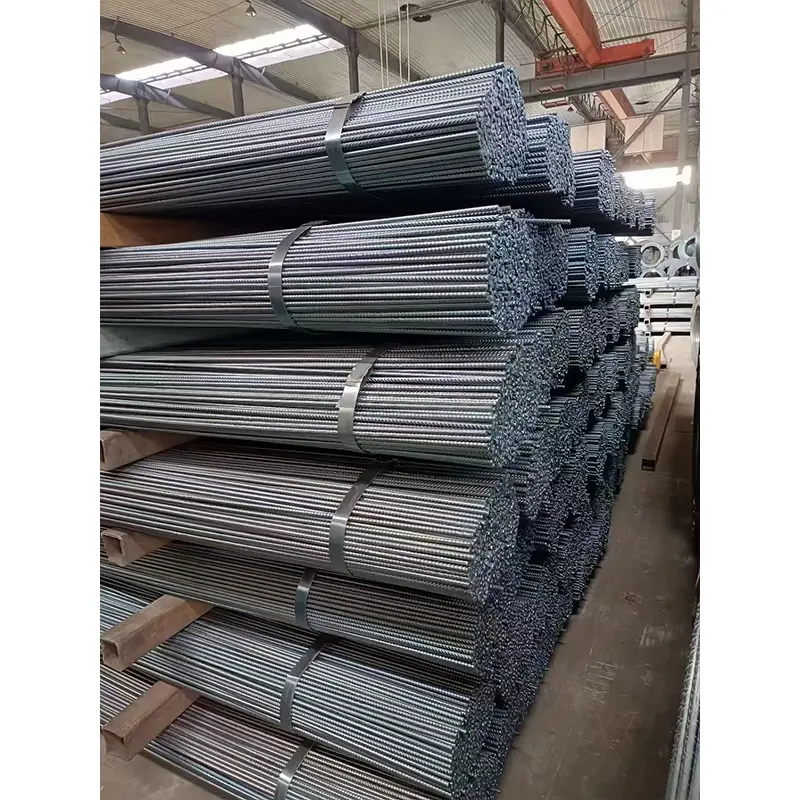
The table above represents our standard Grade 60 deformed steel rebar. Custom grades, including higher yield strengths and seismic-resistant compositions, can be sourced upon request. Dimensional tolerances follow internationally recognized standards, and we can provide third-party inspection reports or arrange for pre-shipment testing at independent laboratories. Your peace of mind is built into every millimeter of the bar.
The backbone of a reliable deformed steel rebar is its chemical composition. We understand that even small variations in carbon, manganese, sulfur, or phosphorus can significantly influence weldability, ductility, and corrosion resistance. That is why Tianjin YuJie Steel Pipe Trading Co., Ltd. works with mills that employ strict ladle refining and continuous casting processes. The result is a homogeneous steel matrix with controlled inclusion content and consistent mechanical behavior.
Typical chemical composition for our standard deformed steel rebar includes carbon content in the range of 0.20% to 0.25%, manganese from 0.80% to 1.20%, and sulfur and phosphorus each kept below 0.045%. This balance ensures the bar can be bent, cut, and welded without excessive hardening or cracking. For projects in marine or chemically aggressive environments, we can supply epoxy-coated deformed steel rebar or bars with enhanced corrosion-resistant alloying. This flexibility allows engineers to match the material to the specific exposure conditions of the structure.
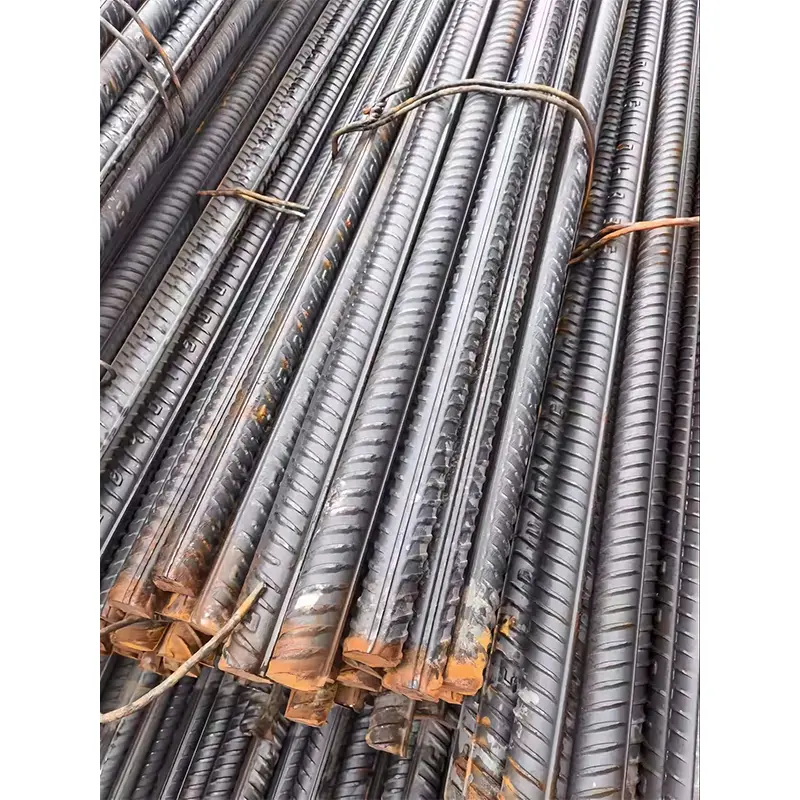
Production begins with high-quality steel billets that are heated to rolling temperature and passed through a series of stands. The final pass imparts the characteristic deformations—transverse ribs, longitudinal ribs, and sometimes oblique ribs—depending on the standard you require. After rolling, the bars are cooled under controlled conditions to achieve the desired microstructure. Some specifications call for a subsequent heat treatment process known as quenching and self-tempering, which enhances yield strength while maintaining adequate ductility. Our supply chain includes mills that use this technology, giving you access to both hot-rolled and thermo-mechanically treated options.
The versatility of deformed steel rebar makes it a fundamental material for a wide range of structural applications. In residential construction, it appears in foundation footings, grade beams, retaining walls, and slab-on-grade reinforcement. For commercial buildings, it is used in columns, beams, floor slabs, and shear walls that must resist lateral loads from wind and seismic events. In infrastructure projects, deformed steel rebar is embedded in bridge decks, abutments, tunnel linings, and precast elements such as pipes, manholes, and barrier walls.
Industrial facilities present unique challenges—heavy vibration, thermal cycling, and exposure to chemicals. Our deformed steel rebar can be supplied in larger diameters and higher grades to accommodate these demanding conditions. For power plants, water treatment facilities, and manufacturing plants, the bar's uniform mechanical properties ensure that reinforced concrete elements perform predictably over decades of service. We have also supplied deformed steel rebar for specialized applications such as stadium risers, airport runways, and marine docks, where both strength and long-term durability are non-negotiable.
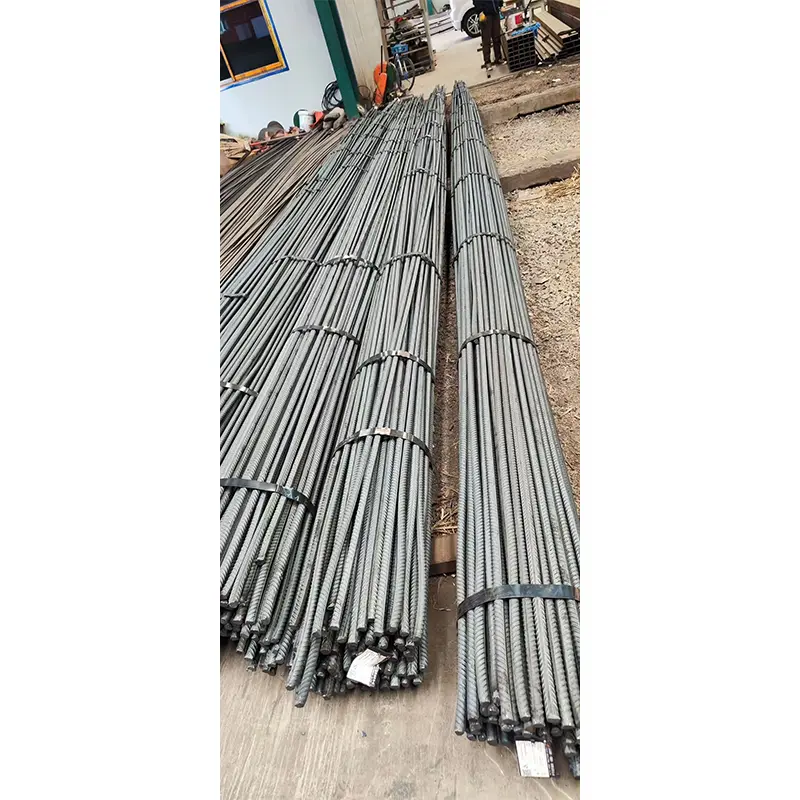
When you specify deformed steel rebar from Tianjin YuJie Steel Pipe Trading Co., Ltd., you gain access to a product that has been used in projects of all scales. From single-family homes to multi-billion-dollar infrastructure programs, the common thread is the same: dependable material, delivered on time, with the documentation needed to pass any audit or inspection. You do not have to worry about hidden defects, short shipments, or ambiguous grading. You receive exactly what you ordered, backed by a company that values long-term relationships over one-off transactions.
Behind every structural drawing there is a human story. A family will wake up in the home you built. A child will attend a school supported by the beams you reinforced. A commuter will cross a bridge that carries thousands of vehicles daily. The deformed steel rebar inside those structures is not visible, but its presence is felt in the absence of cracks, the steadiness under load, and the confidence of knowing that the structure will stand for generations. This is the emotional core of what we offer—not just steel bars, but the quiet assurance that your work will protect lives and endure time.
For project managers, there is another kind of peace: the ability to sleep at night without worrying about material failure or schedule delays. When you open a bundle of our deformed steel rebar and see clean, straight bars with uniform ribs, you know the fabrication crew can work efficiently. When the mill certificate matches the heat number stamped on the bar, your quality control team can sign off without hesitation. And when the concrete is poured and the forms are stripped, you can stand back and know that the skeleton beneath the surface is doing its job.
This emotional benefit extends to cost control as well. Rework caused by rejected material, unexpected corrosion, or dimensional deviations is not just a budgetary issue—it erodes trust between stakeholders and damages reputations. By choosing a supplier that prioritizes consistency and traceability, you remove a major source of project risk. You can focus on the creative and executive aspects of construction rather than firefighting supply chain problems.
In a market crowded with suppliers, differentiation often comes down to invisible details. Tianjin YuJie Steel Pipe Trading Co., Ltd. differentiates itself through four key pillars: rigorous sourcing standards, customizable packaging and cutting, transparent documentation, and responsive logistics. These are not marketing buzzwords—they are operational practices that have been refined through years of serving customers across Asia, the Middle East, Africa, and the Americas.
First, we source deformed steel rebar only from ISO-certified mills with a proven record of stable mechanical properties. Our technical team periodically visits production lines to audit quality systems and review testing data. This ensures that every batch meets the same high bar, regardless of order size. Second, we offer value-added services such as cut-to-length, custom bundling, and special end preparation. If your project requires bars of exactly 7.3 meters with specific bundle weights, we can accommodate that. Third, our documentation package includes mill test certificates, heat number traceability, packing lists, and commercial invoices that are clear and consistent. This makes import clearance and site receiving smoother. Fourth, our logistics team coordinates with major shipping lines and freight forwarders to deliver your deformed steel rebar on schedule, even to remote project sites.
Many competitors treat deformed steel rebar as a simple commodity and focus only on price. We believe that price without consistency is a false economy. A lower upfront cost means little if the bars arrive bent, rusted, or with mechanical properties that fail to meet specification. Our approach is to compete on total value—material quality, service reliability, and long-term partnership. When you work with us, you gain a supplier that acts as an extension of your own procurement team.
Our deformed steel rebar can be supplied in accordance with a variety of international standards, including ASTM A615/A615M, ASTM A706/A706M, BS 4449, GB/T 1499.2, and others. The most common grade is Grade 60 (420 MPa yield strength), but higher grades such as Grade 75 and Grade 80 are available for projects that demand greater tensile capacity. The bars are available in nominal diameters from 6 mm to 40 mm, with 8 mm through 32 mm being the most frequently stocked sizes.
| Diameter (mm) | Rib Height (mm) min | Rib Spacing (mm) max | Bend Test Angle | Bend Diameter (d = bar diameter) |
|---|---|---|---|---|
| 8 | 0.32 | 5.6 | 180° | 3d |
| 10 | 0.40 | 7.0 | 180° | 3d |
| 12 | 0.48 | 8.4 | 180° | 3d |
| 16 | 0.64 | 11.2 | 180° | 4d |
| 20 | 0.80 | 14.0 | 180° | 4d |
| 25 | 1.00 | 17.5 | 180° | 5d |
| 32 | 1.28 | 22.4 | 180° | 5d |
These values are indicative and based on common international specifications. Exact tolerances may vary slightly depending on the standard and mill. Before placing an order, our sales engineers will confirm the applicable specification with you and provide a detailed data sheet. This collaborative approach prevents misunderstandings and ensures that the material you receive is fully compliant with your project's design assumptions.
Proper handling of deformed steel rebar after it leaves our facility is essential to maintain its quality. We bundle the bars in compact units using steel strapping, typically with bundle weights ranging from 2 to 5 metric tons depending on bar diameter and length. Each bundle is tagged with a durable weather-resistant label that includes the heat number, diameter, length, standard, and net weight. This makes identification easy during unloading and storage at your site.
We recommend storing deformed steel rebar on elevated wooden or steel dunnage to keep it off the ground and allow air circulation. If the bars will be exposed to the weather for an extended period, covering the bundles with a breathable tarp will minimize excessive rust formation. Light surface rust from normal atmospheric exposure is generally acceptable for concrete bonding, but heavy scaling or pitting should be avoided. Our bars are shipped with a clean surface, and we take care to protect them from seawater spray during ocean transport by using containerized shipping or proper hold stowage.
What is the difference between deformed steel rebar and plain round bar?
Deformed steel rebar features surface ribs or lugs that create a mechanical interlock with the surrounding concrete. Plain round bar relies only on chemical adhesion and friction, which is much weaker. For reinforced concrete applications where tensile stresses are present, deformed steel rebar is required to prevent slippage and ensure composite action between the steel and concrete.
Can you supply deformed steel rebar that is weldable?
Yes. Certain grades, such as those meeting ASTM A706 or low-carbon equivalents, are designed for weldability. If your project requires welding of rebar, please inform us at the inquiry stage. We will recommend the appropriate grade and provide the necessary chemical composition data to support welding procedure qualification.
What documentation do you provide with each shipment?
Each shipment includes a mill test certificate that reports the heat number, chemical composition, yield strength, tensile strength, elongation, and bend test results. We also provide a commercial invoice, packing list, and bill of lading. If required, we can arrange for third-party inspection and additional testing such as tensile, bend, or chemical analysis at an independent laboratory before shipment.
Is the deformed steel rebar suitable for seismic zones?
Yes. For seismic applications, we can supply rebar with enhanced ductility and specific tensile-to-yield strength ratios as required by codes such as ACI 318 or Eurocode 8. These bars are often designated as Grade 60 or Grade 80 with additional requirements for elongation and uniform strain. Please share your project's seismic design category so we can recommend the most appropriate specification.
What lengths can you provide?
Our standard lengths are 6 meters and 12 meters. However, we can cut the deformed steel rebar to any custom length between 5.8 meters and 18 meters depending on the diameter and shipping container constraints. Custom cutting helps reduce on-site waste and speeds up installation, especially for precast or repetitive structural elements.
How do you protect the rebar during ocean freight?
We use protective measures such as wrapping bundles in moisture-resistant material, using container liners, and securing the bundles with dunnage to prevent movement. For long voyages, we may recommend containerized shipping instead of breakbulk to minimize exposure to salt spray. Any minor surface rust that occurs during transit does not affect the structural performance of the deformed steel rebar once embedded in concrete.
Do you offer samples before bulk order?
Yes, we can provide sample pieces of deformed steel rebar in various diameters for your evaluation. Samples are typically 30 cm long and are shipped by express courier. This allows you to visually inspect the rib pattern, check dimensional accuracy, and even conduct your own preliminary tests before committing to a full order.
What is the minimum order quantity?
The minimum order quantity depends on the diameter mix and destination. For standard sizes, a typical minimum order is one 20-foot container, which can hold approximately 25 to 28 metric tons of deformed steel rebar depending on bar diameter and bundle configuration. For smaller requirements, we can explore less-than-container-load options or combine with other steel products from Tianjin YuJie Steel Pipe Trading Co., Ltd. to optimize your logistics cost.
From our headquarters in Tianjin, one of China's largest steel trading hubs, we serve a global network of contractors, fabricators, and distributors. Our team combines technical knowledge with practical supply chain experience, ensuring that your deformed steel rebar order is handled with the attention it deserves. We understand that construction projects operate on tight timelines, and we respond to inquiries promptly with accurate pricing and realistic delivery schedules.
When you contact us, you will be assigned a dedicated account manager who will guide you through product selection, documentation, and shipping arrangements. We do not use high-pressure sales tactics; instead, we listen to your requirements and offer solutions that fit your budget and technical needs. Whether you need a single container of 12 mm deformed steel rebar for a small residential development or a multi-shipment program for a large infrastructure project, we have the capacity and the commitment to deliver.