Straight Seam Welded Steel Pipe,Steel Profiles,Portable Container Houses,Cold-Rolled Seamless Steel Pipe,Hot-Rolled Seamless Steel Pipe,Spirally Welded Steel Pipe
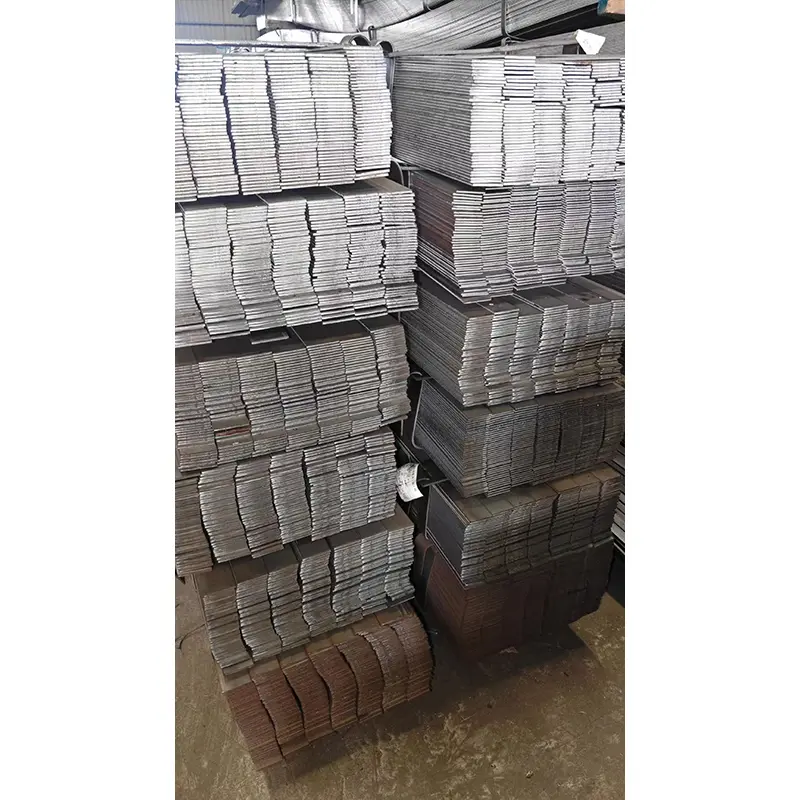
In the world of construction, fabrication, and industrial supply, the right raw material can make or break a project. Black Flat Steel Bar is one of those quiet workhorses that rarely gets the spotlight but shows up in everything from workshop braces to heavy equipment frames. If you have been searching for a dependable flat bar that combines dimensional accuracy, robust strength, and easy workability, you are in the right place. At Tianjin YuJie Steel Pipe Trading Co., Ltd., every black flat steel bar we ship reflects years of steel trading experience, careful mill selection, and a straightforward commitment to getting you the material you need without delays or guesswork.
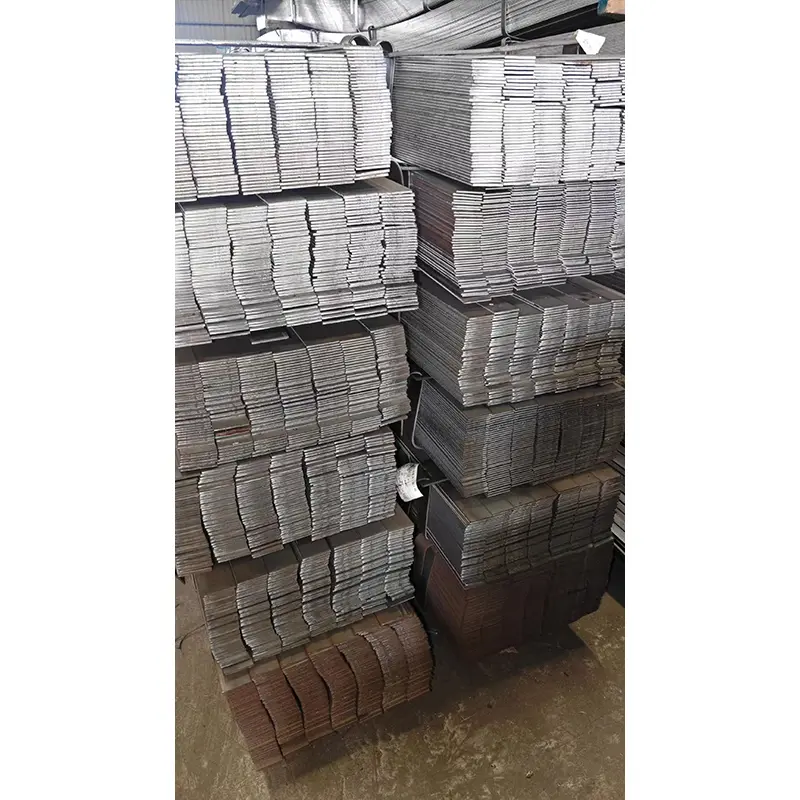
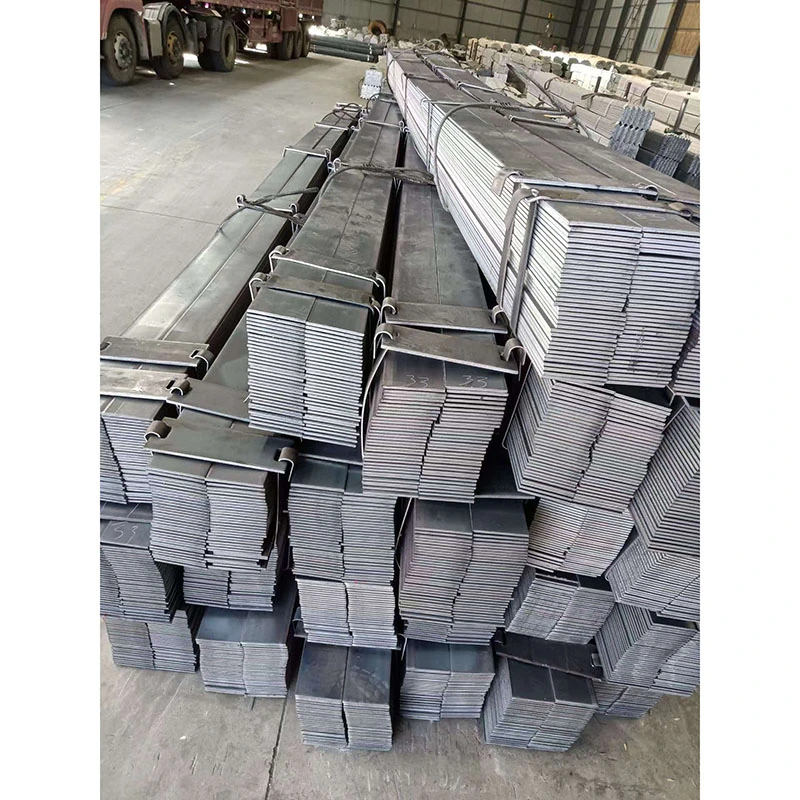
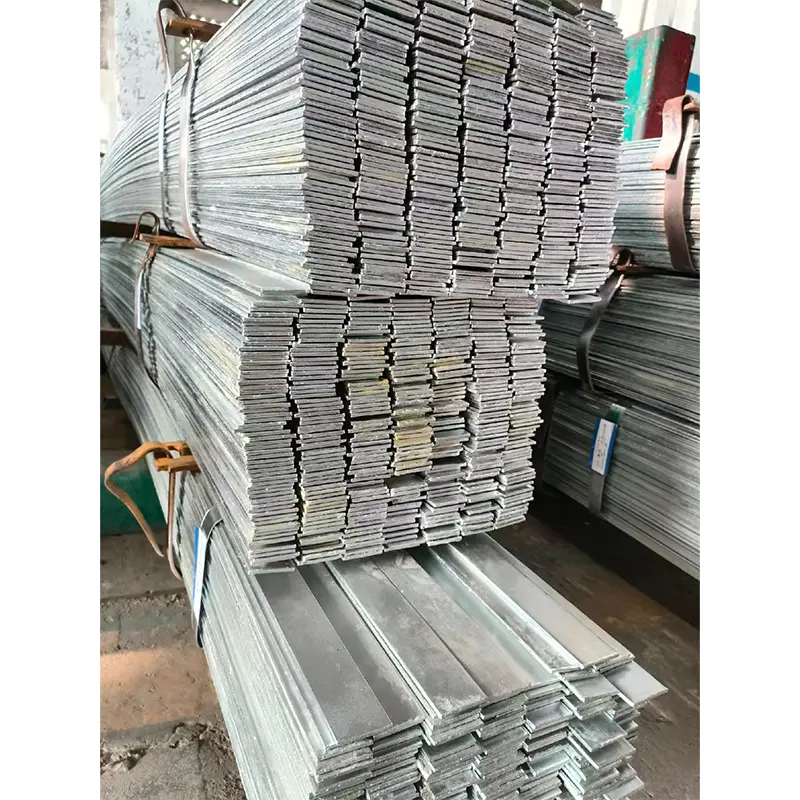
When you hold a black flat steel bar, you immediately notice its simple rectangular cross section and dark, slightly textured surface. That dark finish comes from the hot rolling process, where steel passes through rollers at high temperature and develops a layer of mill scale. This is not a defect. It is a natural protective film formed during manufacturing. The bar remains highly machinable, weldable, and ready for further fabrication. Because the surface is left as rolled, it offers excellent grip for welding beads and provides a solid base for painting, powder coating, or galvanizing after light preparation.
Black flat steel bar is generally produced from carbon structural steel. Common grades include Q195, Q235, Q345, A36, SS400, and S235JR. Each grade brings a different balance of strength, ductility, and weldability. For general fabrication, Q235 and A36 are popular choices. For structural applications that demand higher yield strength, Q345 or S355JR may be specified. The flat profile itself is incredibly versatile. It can be cut, drilled, welded, formed, or machined into brackets, frames, stiffeners, gates, tools, and countless custom parts. Unlike round or square bars, the flat geometry provides a wide contact surface and easy alignment, which speeds up assembly and improves load distribution.
Tianjin YuJie Steel Pipe Trading Co., Ltd. sources these bars from established mills with consistent chemistry and tight rolling tolerances. We verify each batch against the required standards before it enters our warehouse. That means you do not have to worry about hidden laminations, inconsistent thickness, or edge cracking that can plague low-quality imports. Whether you need a few bundles for a local workshop or container loads for a manufacturing plant, we treat every order with the same attention to detail.
Many buyers come to us after struggling with steel that looks fine on paper but causes problems on the shop floor. Maybe the thickness varies by more than the tolerance, so your laser cutting settings have to be adjusted constantly. Maybe the edges are ragged, making safe handling difficult. Maybe the bars arrive with severe bending or twisting that forces your team to spend hours straightening before welding. These issues steal time, waste labor, and increase scrap rates. They also create frustration that undermines confidence in your supply chain.
Our black flat steel bar is selected to avoid exactly those headaches. The bars are straight, with edges sheared or milled cleanly according to your specification. Thickness and width tolerances follow established international standards such as ASTM A36, EN 10025, JIS G3101, and GB/T 700. When you place an order, we confirm the dimensional range, grade, length, and surface condition before dispatch. If you need specific cut lengths, our team can arrange precision cutting to reduce your downstream processing. The result is material that arrives ready to use, with predictable performance and fewer surprises.
A real example: a manufacturer producing agricultural attachments was constantly fighting warped flat bars that had to be pressed straight before CNC machining. After switching to our supply, they reduced setup time by roughly a third because the bars were consistently flat and within tolerance. Another customer fabricating conveyor frames found that our clean edges allowed safer handling without requiring additional deburring. These are not isolated cases. They come from a simple principle: deliver steel that meets the requirements, every time.
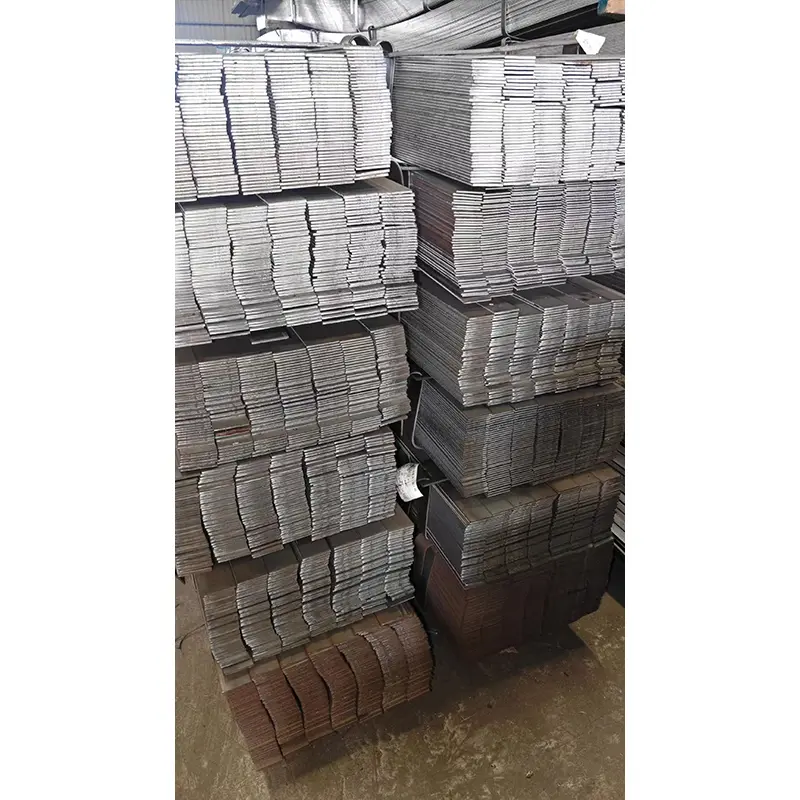
Choosing the right grade depends on the load, welding method, and environment. Carbon structural steel bars are divided into general purpose and high strength categories. Q195 offers excellent cold forming ability and is often used for light brackets, clips, and non-critical components. Q235 provides a good balance of strength and weldability, making it the most common choice for structural parts, machine bases, and frames. Q345 and S355JR deliver higher yield strength, which allows thinner sections to carry the same load, reducing weight without sacrificing safety.
Dimensional availability is another factor that sets a reliable supplier apart. Black flat steel bar can be produced in a wide range of thicknesses and widths. Typical thickness starts around 2 mm and extends up to 30 mm or more. Widths commonly range from 10 mm to 200 mm. Standard lengths are usually 6 meters or 12 meters, but many customers prefer cut-to-length options to minimize waste and simplify material handling. At Tianjin YuJie Steel Pipe Trading Co., Ltd., we coordinate with mills and processing centers to supply bars in the exact lengths, widths, and thicknesses your project demands.
The table below shows a representative selection of available dimensions and the corresponding common grades. This is not an exhaustive list, but it gives you a practical reference for planning. If your project requires a non-standard size or a specific mill tolerance, our team can check current production schedules and provide a realistic delivery estimate.
| Thickness (mm) | Width (mm) | Length (m) | Common Grade | Standard |
|---|---|---|---|---|
| 3 - 6 | 12 - 50 | 6 / cut to length | Q195, Q235 | GB/T 700, ASTM A36 |
| 8 - 12 | 20 - 100 | 6 / 12 | Q235, SS400, A36 | EN 10025, JIS G3101 |
| 14 - 20 | 30 - 150 | 6 / 12 | Q235, Q345, S355JR | ASTM A36, EN 10025 |
| 22 - 30 | 40 - 200 | 6 / 12 / cut to length | Q345, S355JR, A572 Gr.50 | ASTM A572, EN 10025 |
Tolerances depend on the standard you choose. For example, ASTM A36 flat bars typically allow a thickness tolerance of plus or minus 0.25 mm for thinner sections, widening slightly for thicker bars. Width tolerance often runs around plus or minus 0.5 mm depending on the nominal size. We can supply inspection certificates, mill test reports, and third-party testing if your project requires independent verification. Our goal is to give you full confidence in the material before it reaches your production line.
Black flat steel bar is not limited to one industry. Its simple shape allows it to serve as a structural member, a wear strip, a joining plate, or a starting blank for machined parts. In construction, it appears in lintels, bracing, base plates, and support brackets. Fabricators use it for stairs, handrails, and decorative ironwork. Agricultural equipment manufacturers rely on it for cultivator tines, plow braces, and heavy-duty frames. The automotive and transport sectors use flat bars for chassis reinforcement, trailer components, and mounting brackets. Even in mining and heavy machinery, these bars are cut and welded into guards, stops, and structural reinforcements.
Because the bar is flat and straight, it aligns easily during welding. This reduces the need for clamps and jigs in many assemblies. Welders can place two flat bars face to face, tack them quickly, and complete the joint without excessive distortion. The geometry also allows for easy drilling of bolt holes, which makes field assembly faster. For manufacturers who powder coat or paint their finished products, the as-rolled surface provides excellent adhesion after sandblasting or chemical cleaning. For those who need a clean, bright surface, we can arrange pickled and oiled or even cold drawn flat bars as an alternative.
At Tianjin YuJie Steel Pipe Trading Co., Ltd., we see these bars used in creative ways every day. One customer makes custom furniture legs by cutting flat bar into short lengths, welding them into angular frames, and finishing with a clear coat. Another builds heavy-duty shelving systems where black flat bars act as the main uprights and horizontal supports. The variety of uses is a direct result of the material's reliability and adaptability. Whatever your specific application, you can count on the same consistent chemistry and dimensional stability.
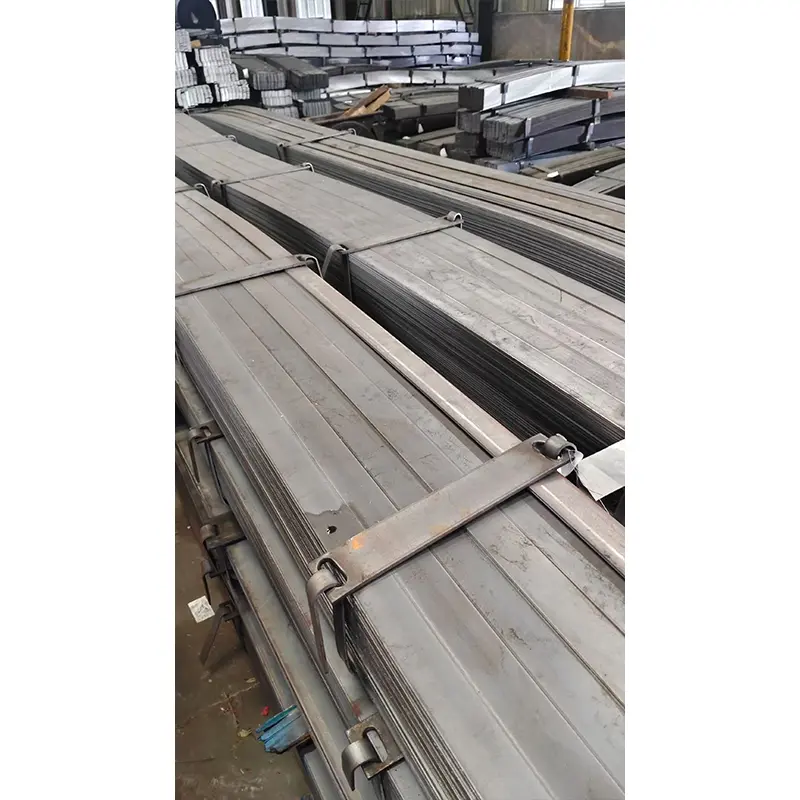
The surface of a black flat steel bar is sometimes misunderstood. Dark mill scale may look rough compared to cold rolled or polished steel, but it is actually a thin layer of iron oxide that forms during hot rolling. This layer can provide limited temporary protection against atmospheric corrosion, especially if the bars are stored indoors. However, for outdoor or highly corrosive environments, we always recommend additional protection such as painting, galvanizing, or powder coating. If you plan to galvanize, the hot rolled surface actually accepts the zinc coating well after normal acid pickling to remove the mill scale.
Edges are another consideration. Standard hot rolled flat bars may have slightly rounded or irregular edges depending on the mill process. For applications where a clean, square edge is necessary, we can supply sheared or milled edge bars. Sheared edges are produced by cutting from wider plate or strip, resulting in a fairly straight edge with a slight shear burr. Milled edges are machined to precise dimensions and squareness, which is ideal for high-tolerance components. If you need a bar that will be chrome plated or used in a visible furniture piece, we suggest specifying a clean edge or cold drawn finish from the start.
Workability is excellent for most common grades. Q195 and Q235 are soft enough to drill easily, saw quickly, and bend without cracking when proper bend radii are used. Q345 and S355JR require more force but still remain weldable with standard low-hydrogen electrodes or ER70S-6 wire under appropriate preheat conditions for thicker sections. The flat profile makes it simple to fixture the bar in a vise or welding table. You can also stack multiple bars and cut them simultaneously if your saw has the capacity, which speeds up batch production.
If you need further processing, we can coordinate services such as cutting to precise lengths, mitre cutting, drilling, punching, or even welding simple assemblies according to your drawings. This turnkey approach helps smaller shops that lack in-house processing equipment. Instead of buying full random lengths and wasting material, you receive parts that fit directly into your product. Many customers find that this service lowers their total cost per finished piece, even after accounting for the processing charge.
Steel is only as good as the mill that produced it and the supplier who verifies it. Our sourcing team works with mills that have stable production processes, modern rolling lines, and strong quality management systems. Before shipment, each batch of black flat steel bar is checked for dimensional accuracy, surface defects, and chemical composition. If the material is intended for structural or pressure-bearing applications, we can arrange additional mechanical testing such as tensile strength, yield strength, and elongation. These test results are documented in a mill test certificate that travels with your order.
Traceability matters because it protects you in case of a dispute or a quality audit. We maintain records that link each heat number to the mill, production date, and test results. If you ever need to trace the material back to its source, we can provide that information quickly. This level of transparency is not always available from smaller traders or spot-market sellers. At Tianjin YuJie Steel Pipe Trading Co., Ltd., we believe that trust is built one shipment at a time, and traceability is a critical part of that trust.
Our warehouse also follows a clear labeling system. Each bundle is marked with the grade, size, heat number, and order reference. That means when the bars arrive at your facility, your receiving team can check the tags quickly and move the material to the correct storage location without confusion. It also reduces the risk of mixing different grades, which can be a serious safety issue if a lower-strength bar is mistakenly used in a structural application. Good labeling is a small detail that prevents big problems.
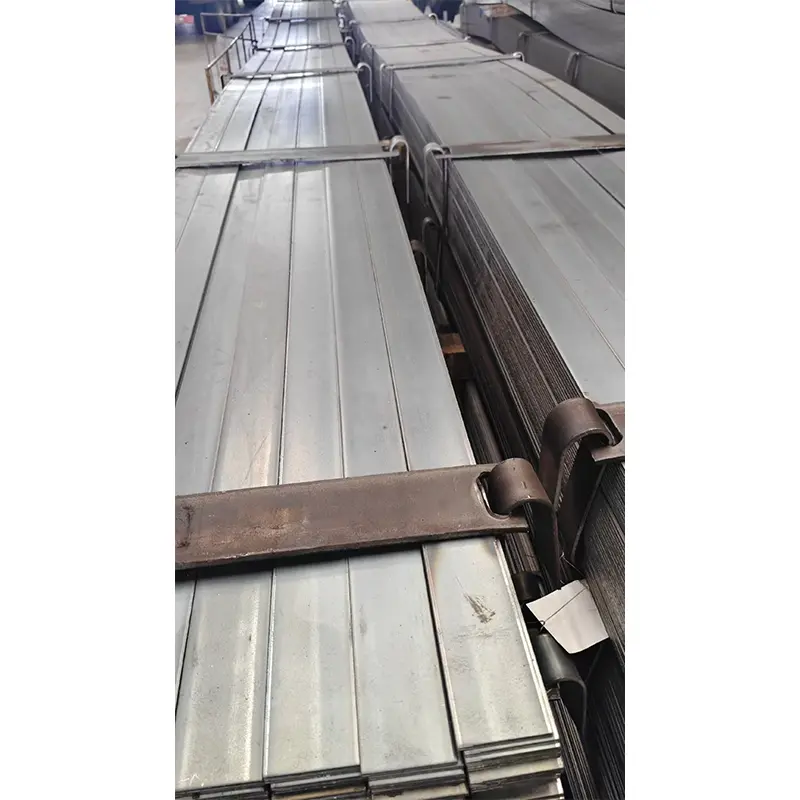
How steel is packed and shipped has a direct effect on what you receive. Bars that are loosely loaded or poorly secured can shift during transit, causing scratches, bending, or even dangerous unloading conditions. We take care to bundle the bars with steel straps, protect the ends where necessary, and load them in a way that minimizes movement. For export orders, we use moisture-resistant wrapping and proper lifting points to prevent damage from humidity and handling. If you require special packaging such as individual tagging, rust-preventive oil, or edge protectors, we can accommodate those requests.
Delivery time depends on the quantity, grade, and processing requirements. Stock sizes often ship within a few days after order confirmation. Non-standard dimensions or high-strength grades may require a mill rolling cycle, which can take two to four weeks depending on the mill schedule. We communicate realistic timelines from the beginning so you can plan your production without unnecessary downtime. If your project is urgent, we will check current inventory and suggest the nearest available size that can be processed to your required dimensions.
For international buyers, we handle export documentation, including commercial invoice, packing list, certificate of origin, and mill test certificates. Our team has experience shipping to ports across Southeast Asia, the Middle East, Africa, South America, and beyond. We can arrange FOB, CIF, or CFR terms according to your preference. We also work with reliable freight forwarders to ensure that your cargo arrives on schedule and in good condition. Whether you need a single bundle or multiple containers, the logistics process should be the least of your worries.
There are many steel suppliers in the market, and some offer lower prices on paper. However, the true cost of steel includes not just the price per ton, but also the time lost to sorting defective bars, the scrap generated by inconsistent dimensions, and the risk of project delays due to late delivery. Our value proposition is simple: we supply black flat steel bar that consistently meets the specification, arrives on time, and is backed by documentation you can trust. We are not just selling steel. We are helping you keep your production line running smoothly and your customers satisfied.
Our company name, Tianjin YuJie Steel Pipe Trading Co., Ltd., reflects our roots in one of China's major steel hubs. Tianjin has a long history of steel trading and shipping, which gives us access to a wide network of mills and processing facilities. That access translates into competitive pricing and fast turnaround for many standard items. But we also understand that price is only part of the equation. The real value comes from knowing that the material in your warehouse is exactly what you ordered, with no hidden substitutions or questionable quality.
We also believe in long-term relationships. Many of our customers have been buying from us for years because we respond quickly to inquiries, provide honest advice about material selection, and take responsibility if something goes wrong. If a shipment arrives with damage or a discrepancy, we work with the freight forwarder and insurance company to resolve the issue. That level of after-sales support makes a difference when your production schedule depends on a single critical material.
If you are unsure which grade of black flat steel bar is right for your project, consider these practical points. First, identify the maximum load the bar will carry. For light duty or non-structural parts, Q195 or Q235 is usually sufficient. For structural members that experience repeated stress or heavy loads, choose Q345 or S355JR. Second, think about the welding process. All common carbon steel grades are weldable, but higher strength grades may require preheating above certain thicknesses to avoid hydrogen-induced cracking. Third, consider the environment. If the bar will be exposed to moisture or chemicals, plan for a protective coating regardless of the grade. Galvanizing, painting, or powder coating will extend the service life significantly.
Dimensional selection is just as important. Thicker bars resist bending and carry more load but add weight. Wider bars provide more contact area but may be overkill for narrow brackets. If you are replacing an existing component, measure the current bar accurately and confirm the grade if possible. Our team can help you review your drawings or sample parts and recommend a suitable alternative. This kind of pre-sale consultation prevents costly mistakes and ensures that the material you buy matches the actual service conditions.
Black flat steel bar is produced by hot rolling, which leaves a dark mill scale on the surface. Bright flat steel bar, sometimes called cold drawn flat bar, is processed further through cold drawing or peeling to achieve a smooth, shiny surface with tighter dimensional tolerances. Black flat bar is generally more economical and is ideal for welding, painting, or galvanizing after surface preparation. Bright flat bar is preferred when a clean appearance or precise dimensions are needed without additional machining. Both have their place, and we can supply either based on your requirements.
Yes, black flat steel bars made from Q195, Q235, A36, SS400, Q345, or S355JR are all weldable with common methods such as MIG, TIG, or stick welding. For best results, remove any loose mill scale, rust, oil, or moisture from the weld area. Use a suitable filler metal and follow recommended preheat and interpass temperatures for thicker sections. The as-rolled surface can sometimes trap a small amount of scale that causes weld porosity, so a light grind or sanding of the weld zone is good practice. If you have specific welding procedure requirements, we can provide chemical and mechanical data to help you qualify the procedure.
Standard production lengths are typically 6 meters and 12 meters. However, many customers ask for cut-to-length service to reduce waste and simplify handling. We can arrange cutting to your exact required length, with a reasonable tolerance. For example, if you need 1.5-meter pieces for a production run, we can supply them pre-cut and bundled. This service is especially useful if you do not have a large saw in your facility or if you want to reduce in-house labor. Please provide your ideal length and quantity, and we will confirm pricing and lead time.
Absolutely. Every shipment of black flat steel bar from Tianjin YuJie Steel Pipe Trading Co., Ltd. can be accompanied by a mill test certificate that states the heat number, chemical composition, mechanical properties, and the applicable standard. If your project requires third-party inspection, we can arrange for SGS, BV, or another agency to witness testing and issue an independent report. Having proper documentation is critical for structural applications and for meeting import regulations in many countries.
The minimum order quantity depends on the specific size, grade, and processing requirements. For stock sizes, we can often accommodate smaller trial orders so you can evaluate the material quality before committing to a larger volume. For non-standard dimensions that require a special mill rolling, the mill may set a minimum production quantity, typically in the range of a few tons to several tons. We always try to find a solution that balances your immediate need with cost efficiency. If you need a small quantity for prototyping, let us know and we will check if we have a suitable stock item that can be cut down.
Store black flat steel bars indoors in a dry, well-ventilated area. Keep them off the ground using wooden dunnage or racks to allow air circulation. Avoid direct contact with concrete floors or exposure to rain, snow, or high humidity. If outdoor storage is unavoidable, cover the bundles with a waterproof tarp and leave the ends open for ventilation to reduce condensation. If you plan to store the bars for more than a few weeks, applying a thin rust-preventive oil can help. Remember that mill scale provides only limited protection, so for long-term storage or humid environments, consider additional protection or plan to clean and coat the bars before use.
Yes, in most cases. We work with mills that can roll non-standard thicknesses and widths, and we can also source steel with controlled chemical composition to meet specific standards such as ASTM A572, EN 10025-2, JIS G3101, or GB/T 700. If you need a custom grade with restricted carbon or alloy content, we can check with our mill partners and provide a feasibility confirmation. Keep in mind that special sizes and grades may have longer lead times and minimum order requirements. The best approach is to send us your specification, including the standard, grade, dimensions, and any additional requirements, and we will respond with a detailed quotation.
Pricing depends on the market, raw material costs, and the specific dimensions. In general, black flat steel bar and hot rolled round bar of comparable weight are priced similarly because they both come from the same hot rolling process and use similar billets. However, flat bar may carry a slight premium if it requires extra edge conditioning or tighter width tolerance. The most accurate way to compare is to request a current quote for the exact sizes you need. We are happy to provide transparent pricing and help you understand any cost differences based on your project requirements.
Yes. While black flat steel bar is supplied as rolled, we can arrange additional surface treatments based on your needs. Options include pickling and oiling to remove mill scale and provide a clean surface, shot blasting to prepare for painting or galvanizing, and primer coating for temporary corrosion protection. For some applications, we can also supply galvanized flat bars, though this is technically no longer a black bar. The surface treatment you choose should match the final use of the product and the coating system you plan to apply. We can guide you toward the most cost-effective option.
Before shipment, each batch is checked for dimensions using calibrated measuring tools. We visually inspect for surface defects such as laps, seams, or excessive scale. The chemical composition is verified against the mill certificate, and mechanical testing is performed or reviewed based on the applicable standard. If the order includes cut-to-length pieces, we check the length tolerance and squareness of the cut ends. For export shipments, we also confirm the bundle weight and labeling accuracy. If you need a specific test, such as Charpy impact testing or ultrasonic testing, we can arrange it with the mill or a third-party laboratory. Documentation of all checks is available on request.
For temporary or low-risk applications, black flat steel bar with its mill scale can survive outdoor exposure for a limited time, but it will eventually rust. For permanent outdoor structures or safety-critical components, you should always apply a protective coating such as hot-dip galvanizing, painting, or powder coating. Mill scale alone does not provide long-term corrosion resistance. If the bar will be embedded in concrete or used in a marine environment, even greater protection is necessary. We can advise on the best coating approach based on the exposure conditions and expected service life.
Start by determining the strength requirements and the welding process. For general fabrication, Q235 or A36 is a safe, economical choice. If you need higher load capacity or are designing to a structural code that requires higher yield strength, Q345 or S355JR is appropriate. If your project involves cold bending or forming, Q195 may be easier to work with. We can review your sketches or specifications and recommend a grade that balances performance and cost. The goal is not to overspend on a high-strength grade when a standard grade will do, but also not to compromise safety by choosing a grade that is too weak for the application.