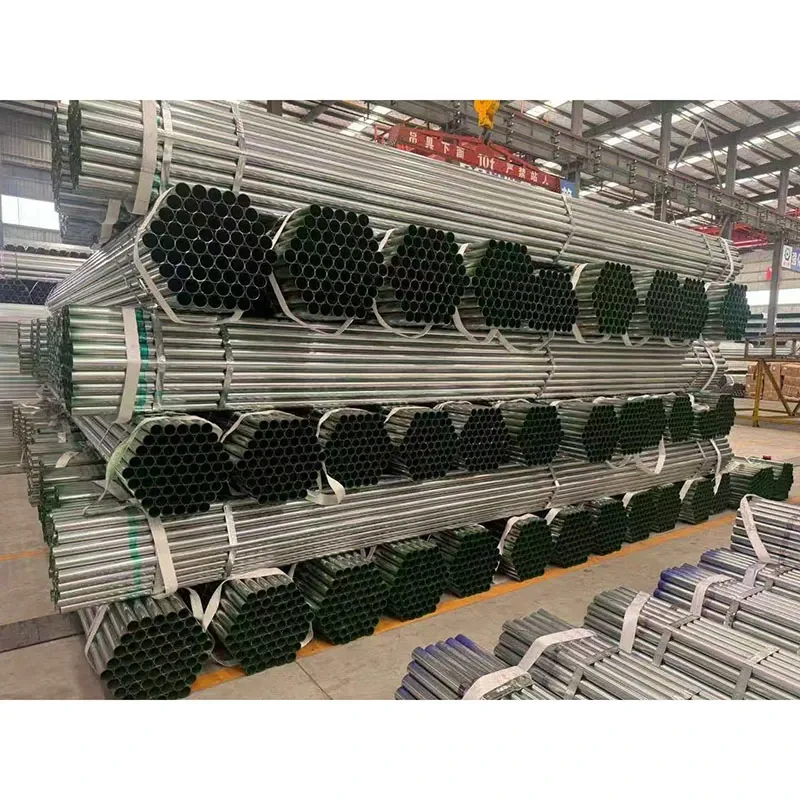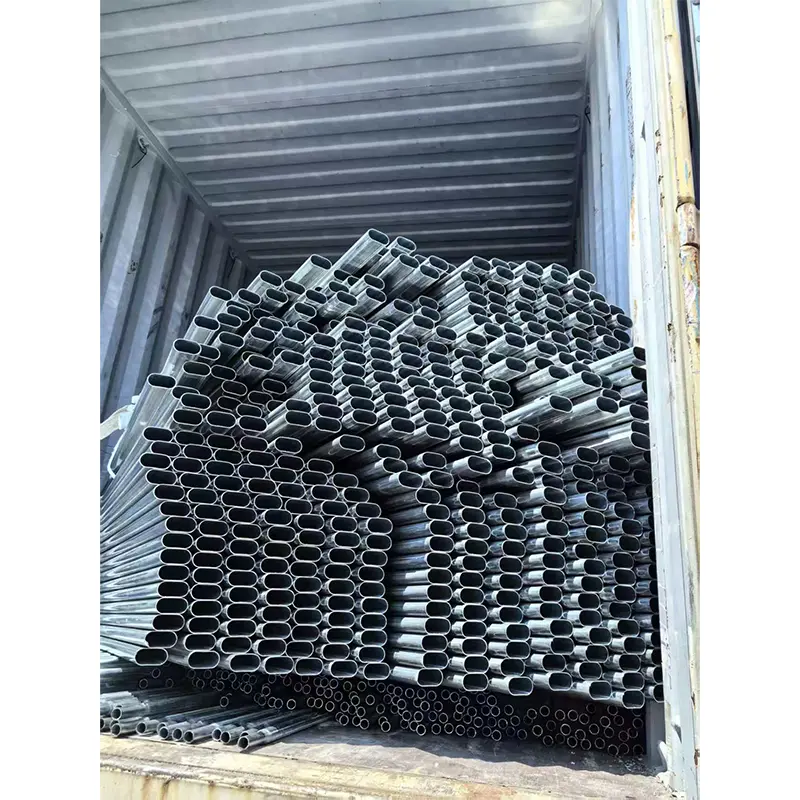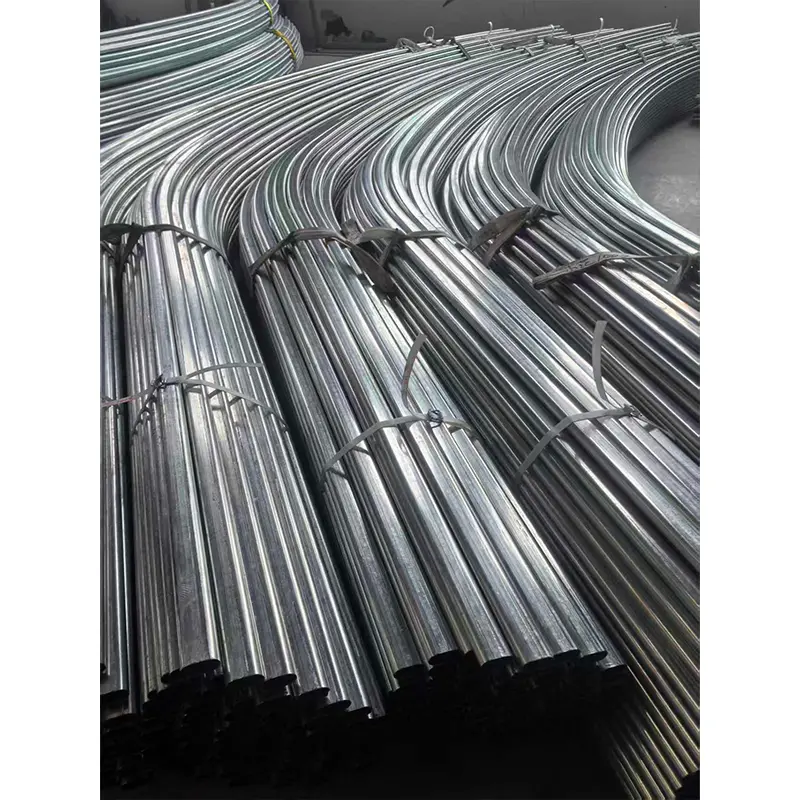
Straight Seam Welded Steel Pipe,Steel Profiles,Portable Container Houses,Cold-Rolled Seamless Steel Pipe,Hot-Rolled Seamless Steel Pipe,Spirally Welded Steel Pipe
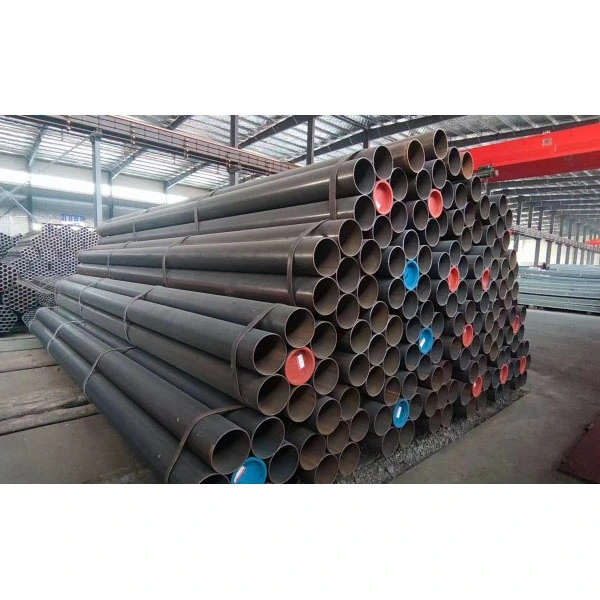
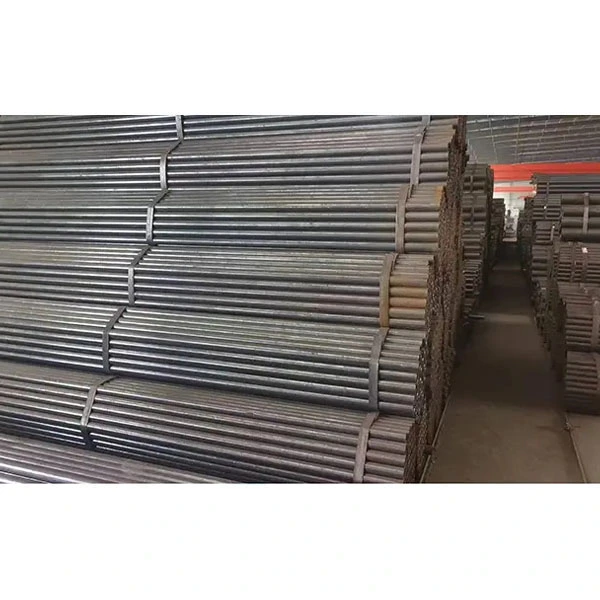
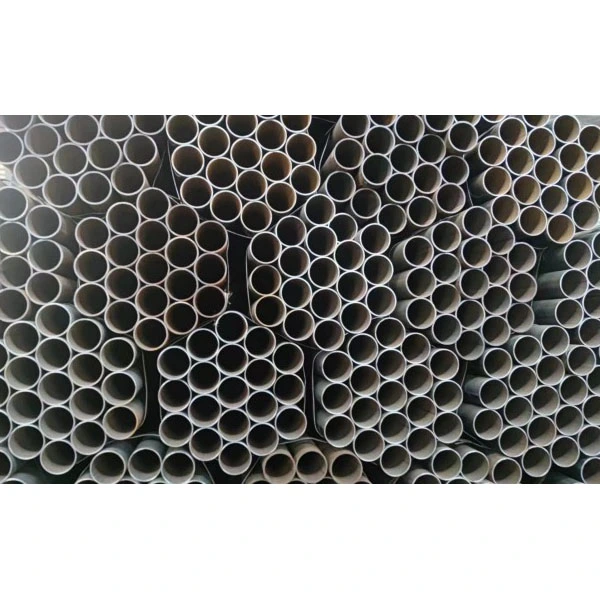
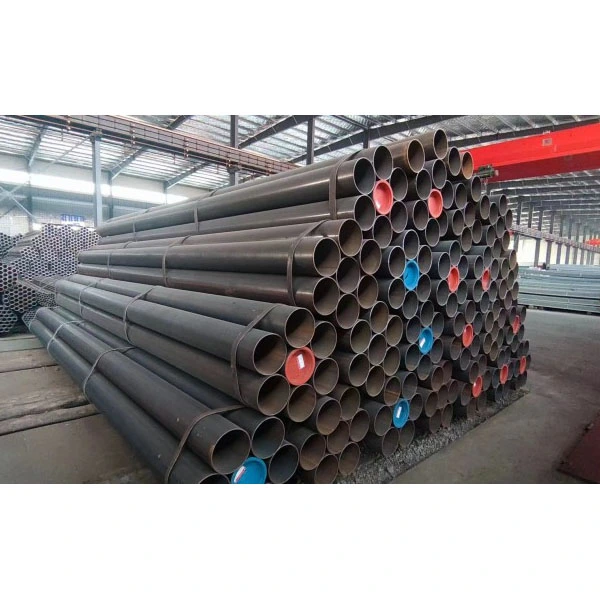 Thin Wall Longitudinal Welded Steel Pipe in storage ready for shipment" class="product-image-main">
In construction, manufacturing, and infrastructure work, the materials you choose shape more than just a single connection. They define how quickly a frame goes up, how long it holds under load, how easy it is to transport, and how predictable your total cost stays. Tianjin YuJie Steel Pipe Trading Co., Ltd. understands this balance because our daily work revolves around one dependable product: thin wall longitudinal welded steel pipe.
This type of steel tube carries a precise, straight weld line along its length. It starts as a flat steel strip, gets shaped into a cylinder, and is fused at the seam using high-frequency welding technology. The result is a hollow section that delivers dependable structural behavior at a fraction of the weight of solid bars or thicker-walled alternatives. It is not a compromise; it is a calculated choice for engineers, fabricators, and buyers who want strength, stability, and savings in one package.
For procurement teams, the appeal is immediate: lighter bundles, cleaner cuts, smoother coatings, and faster installation. For end users, the benefit shows up as a finished frame, greenhouse, fence, rack, or pipeline that performs without excess bulk. Whether you are working on a solar farm, a warehouse mezzanine, an automotive component line, or an agricultural tunnel, this material slots into your process with minimal friction.
What makes the offer even stronger is the supply chain behind it. Tianjin YuJie Steel Pipe Trading Co., Ltd. maintains a focused inventory of thin wall longitudinal welded steel pipe in common diameters and wall thicknesses, and we coordinate custom production runs for projects that demand something outside the standard range. From the first inquiry to final delivery, the goal is to remove guesswork and keep your schedule intact.
A longitudinal welded steel pipe gets its name from the orientation of the weld seam. Unlike spiral welded pipe, where the seam travels around the tube in a helix, the longitudinal version has a seam that runs parallel to the pipe's length. This straight seam is formed by taking a coiled steel strip, passing it through a series of forming rollers, and welding the edges together.
The “thin wall” designation generally refers to wall thickness values that are lower than those found in standard structural or pressure pipe of the same outer diameter. In practical terms, many projects use wall thicknesses between 0.8 mm and 6.0 mm, depending on the diameter and the required load. The thinner wall reduces material consumption without sacrificing the closed-section structural efficiency that makes round and square tubing so popular.
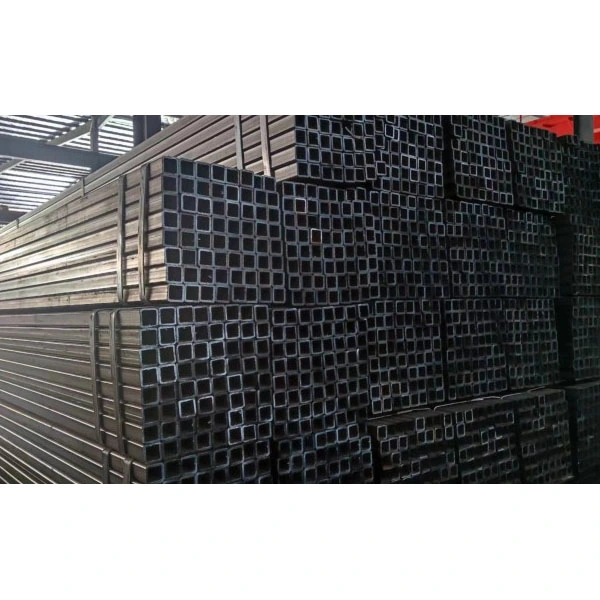
Thin wall longitudinal welded steel pipe is available in round, square, and rectangular profiles, but the round version remains the most widely used for mechanical, structural, and fluid-carrying tasks. The circular cross-section distributes stress evenly, resists torsional loading, and offers an excellent strength-to-weight ratio. When properly welded and inspected, the straight seam is often as strong as the base metal itself, allowing the product to be used in demanding environments with confidence.
Buyers often choose this product when they need to reduce weight, cut material costs, simplify welding or assembly, or meet dimensional tolerances that thicker pipe makes difficult to achieve. The steel grades are selected to match the application, from general-purpose carbon steel to higher-strength low-alloy options. Surface treatments such as hot-dip galvanizing, pre-galvanizing, oiling, or painting can be applied to meet corrosion resistance requirements.
Many design teams start with a thicker-walled pipe because it feels safer. Then the project encounters a familiar chain of problems. The material costs more per meter. Bundles weigh more, pushing freight charges higher. Cutting, drilling, and welding take longer. The final structure becomes heavier than it needs to be, which may force adjustments in foundations, supports, or handling equipment.
In other cases, buyers try to source thin wall pipe from multiple suppliers and run into inconsistent wall thickness, poor weld quality, or dimensional drift. A batch may arrive with burrs on the inside seam, uneven ends, or surface rust. These defects slow down production and create waste. The lack of traceability makes it difficult to know which heat of steel was used or which inspection records apply.
There is also the issue of availability. Not every trading company keeps thin wall longitudinal welded steel pipe in stock. Some only offer large minimum order quantities, while others cannot support custom lengths or specific coating requirements. When the timeline is tight, waiting weeks for production can stall an entire construction or manufacturing schedule.
The solution begins with a supplier who treats thin wall tube as a core product rather than a side item. Tianjin YuJie Steel Pipe Trading Co., Ltd. focuses on this exact category, which means the product knowledge, inventory planning, and quality control systems are built around the characteristics of thin wall material. We understand the balance between wall thickness and outer diameter, the importance of weld bead control, and the need for consistent mechanical properties from one bundle to the next.
Our thin wall longitudinal welded steel pipe is produced from selected steel coils and welded using high-frequency induction or electric resistance welding. After welding, the external weld bead is trimmed to a controlled height, and the internal bead can be managed according to the application. Dimensional checks, pressure testing, and non-destructive testing are available based on the governing standard. The result is a product that arrives ready for fabrication or direct installation.
| Parameter | Common Range or Option |
|---|---|
| Outer diameter | 21.3 mm – 355.6 mm, custom up to 508 mm |
| Wall thickness | 0.8 mm – 6.0 mm, focused on thin wall series |
| Length | 5.8 m, 6.0 m, 11.8 m, 12.0 m, cut-to-length available |
| Material | Q195, Q235B, Q355B, S235JR, S355J2H, ASTM A500 Grade A/B/C |
| Standard | GB/T 3091, GB/T 13793, EN 10219, ASTM A500, ASTM A53 |
| Weld type | High-frequency longitudinal welded, electric resistance welded |
| Surface treatment | Black, oiled, pre-galvanized, hot-dip galvanized, painted |
| End treatment | Plain, bevelled, grooved, threaded as required |
| Inspection | Eddy current testing, hydrostatic test, visual and dimensional check |
These parameters cover a broad range of everyday and specialized uses. Because the product is a thin wall series, attention is paid to weld penetration, edge alignment, and surface quality. The pipe is supplied in bundles with protective end caps or wrappings as needed to prevent damage during transit.
Material selection drives performance. For structural applications, carbon steel grades such as Q235B and S235JR provide a good balance of formability, weldability, and cost. When the design calls for higher strength, Q355B or S355J2H offers elevated yield strength without a large increase in wall thickness. This is especially useful in lightweight frames, racks, and supports where designers want to push loads while keeping the overall weight down.
The welding process is another layer of control. High-frequency longitudinal welding heats the strip edges using an induced electric current, then forges them together under roll pressure. This method produces a narrow heat-affected zone and a consistent seam. After welding, the outside bead is trimmed to meet the required profile. For thin wall pipes, this step is critical because an oversized bead can interfere with downstream processes such as bending, flaring, or press fitting.
Standards also play a role. GB/T 3091 covers welded steel pipes for low-pressure fluid transport, while GB/T 13793 applies to longitudinal welded steel pipes for structural purposes. EN 10219 is a common European reference for cold-formed welded structural hollow sections. ASTM A500 and ASTM A53 are frequently requested for projects that follow American specifications. By aligning production with these standards, Tianjin YuJie Steel Pipe Trading Co., Ltd. can support a wide range of export and domestic requirements.
Quality assurance is not an abstract idea. It shows up in the straightness of the tube, the consistency of the wall thickness, the absence of cracks or lamination, and the clarity of the mill test certificate. Each batch can be matched to a heat number and test report, giving buyers the documentation they need for audits or project acceptance.
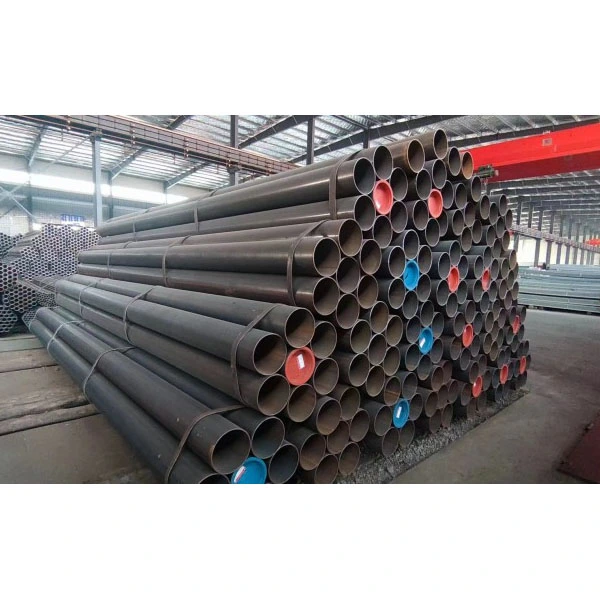
The list of applications for thin wall longitudinal welded steel pipe is long because the product adapts well to different loading conditions and environments. One of the most common uses is in structural frameworks. Light steel structures, mezzanine floors, handrails, guardrails, and support columns all benefit from the closed-section strength of a round or rectangular tube without carrying excess weight.
In the agricultural sector, this pipe appears in greenhouse frames, irrigation supports, and livestock fencing. The thin wall keeps material costs manageable for large covered areas, while the circular profile resists wind and snow loads better than many flat or angle sections. Galvanized finishes add protection against moisture, fertilizers, and soil contact.
Manufacturers of furniture, shelving, and display systems also rely on this product. Thin wall tube is easy to bend, cut, drill, and weld, allowing for sleek profiles in tables, chairs, racks, and store fixtures. The smooth outer surface accepts powder coating or paint evenly, producing a clean finished appearance.
Automotive and machinery industries use longitudinal welded tubes for exhaust components, seat frames, brackets, and other parts where weight reduction matters. The consistent dimensions help robotic welding cells maintain precise placement, reducing rework. In solar mounting systems, thin wall galvanized steel pipe serves as posts and beams for panel support structures, especially in large ground-mounted installations where thousands of meters of tube are required.
Other applications include furniture hardware, bicycle frames, fitness equipment, conveyor rollers, guardrail posts, HVAC duct supports, and low-pressure fluid lines. The product is not limited to one industry; it is a building block that appears wherever a strong, economical hollow section is needed.
For each of these scenarios, the thin wall design delivers a practical benefit: less material to buy, less weight to handle, and less energy to weld or coat. That benefit translates directly into lower total project cost and faster completion times.
Spec sheets list diameters and wall thicknesses, but real-world value comes from how the product behaves on the shop floor and in the field. One of the biggest advantages of thin wall longitudinal welded steel pipe is its consistency. When every bundle arrives with the same diameter tolerance, the same weld quality, and the same straightness, fabrication teams can set up jigs and automated processes without constant adjustment.
Another benefit is formability. Thin wall pipe bends more easily than heavy wall material, which opens up design possibilities for curved handrails, custom furniture, and complex structural shapes. It can be cold-formed, flared, swaged, or flattened at the ends without cracking when the steel grade and weld quality are right. This versatility reduces the need for additional fittings or machining steps.
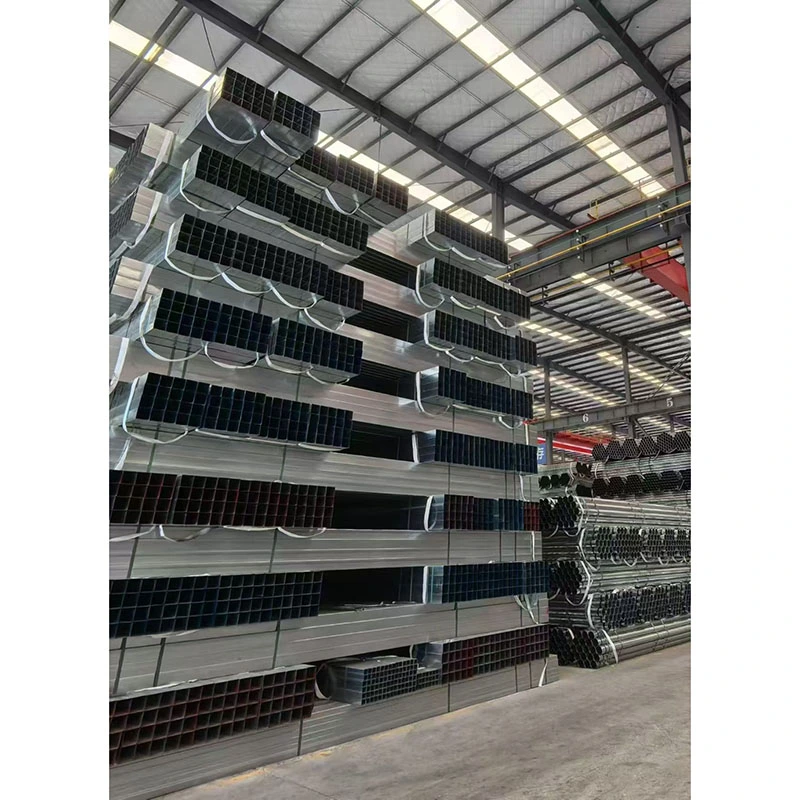
Corrosion protection is straightforward. The smooth surface of a longitudinal welded pipe accepts galvanizing, painting, or powder coating with excellent adhesion. Pre-galvanized and hot-dip galvanized options extend service life in outdoor or humid environments, making the product suitable for agricultural structures, solar farms, and roadside fixtures.
Weight reduction creates a ripple effect. Lighter pipes reduce freight costs per meter. They can be lifted by smaller cranes or handled by fewer workers. They put less load on foundations and supporting members. In a competitive bid, these savings often make the difference between winning and losing a project.
Thin wall longitudinal welded steel pipe from Tianjin YuJie Steel Pipe Trading Co., Ltd. also comes with a level of commercial flexibility that engineers appreciate. We supply standard lengths for immediate shipment, but we also arrange cut-to-length production when the design specifies exact dimensions. Mixed packages, special end treatments, and custom surface finishes can be discussed without long lead times.
There are many steel suppliers, but not all of them specialize in thin wall welded pipe. Some treat this product as a side category with limited stock and generic quality control. Tianjin YuJie Steel Pipe Trading Co., Ltd. takes a different approach. We maintain a dedicated focus on thin wall longitudinal welded steel pipe, which means our production partners, inspection routines, and logistic planning are tuned to the specific needs of this material.
One differentiation point is our understanding of wall thickness tolerance. Thin wall pipe is more sensitive to strip thickness variation and weld heat input than heavy wall pipe. If a supplier does not control these variables, the finished tube can have thinning near the weld, out-of-roundness, or weak seam areas. We work with mills that monitor these factors and provide test data to support the product's integrity.
Another point is communication. When you send an inquiry with diameter, wall thickness, grade, surface treatment, quantity, and destination port, our team responds with a clear quotation. We do not bury important details in fine print. We confirm availability, production time, packaging method, and transport options before you commit. This reduces the uncertainty that often accompanies international steel purchases.
Inventory readiness also matters. Many common sizes of thin wall longitudinal welded steel pipe are available from our warehouse or through our regular production schedule. For buyers who need a quick trial order, this is a significant advantage. For repeat customers, it means a stable supply chain that can support ongoing projects without long gaps.
We also understand the importance of documentation. Mill test certificates, material test reports, packing lists, and commercial invoices are prepared accurately and on time. This helps importers clear customs, satisfy third-party inspection requirements, and maintain their own ISO or project compliance.
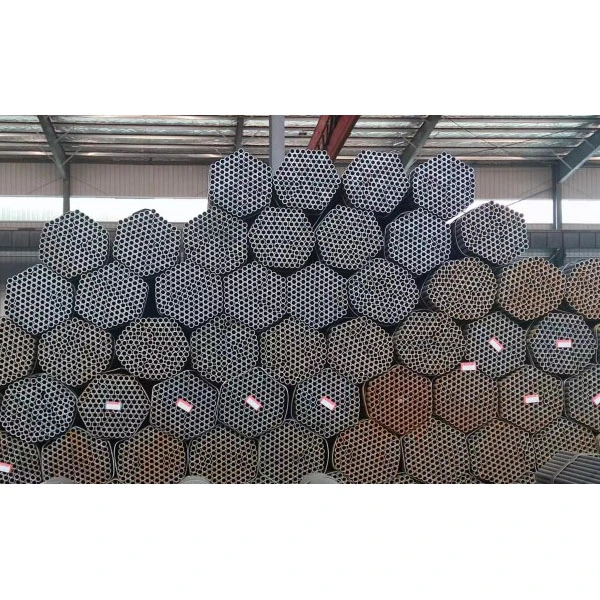
The path from steel coil to finished thin wall longitudinal welded steel pipe is a controlled sequence of steps. It begins with the selection of hot-rolled or cold-rolled steel strip. The strip is slit to the exact width required to form the desired circumference. This width calculation is critical because it affects the final outer diameter and the weld alignment.
The strip passes through a series of forming rolls that gradually shape it from a flat profile into a cylindrical shell. At the welding station, high-frequency current heats the edges to a temperature that allows them to be forged together under squeeze rolls. The weld seam forms along the length of the pipe, parallel to its axis. This is the longitudinal weld that gives the product its name.
After welding, the external bead is removed or reduced to a controlled height. For some applications, the internal bead is also smoothed. The pipe then moves through a sizing mill that ensures the outer diameter and ovality meet the required tolerances. Straightening rolls correct any bow or twist that may have developed during forming.
Next comes testing. Depending on the standard and customer requirements, the pipe may undergo hydrostatic testing, eddy current testing, ultrasonic testing, or a combination of methods. Visual inspectors check the weld line, surface condition, and end quality. Samples are tested for tensile strength, elongation, and flattening behavior to confirm the mechanical properties of the base metal and the weld.
Finally, the pipe is cut to length, end-finished, and surface-treated as specified. It is bundled, strapped, and labeled with tags that show the size, grade, heat number, and production date. This information connects the finished product back to the original steel coil, creating traceability that buyers can rely on.
Consider a large greenhouse project in a humid region. The designer needs hundreds of thousands of meters of pipe for frames and purlins. Using heavy wall pipe would increase the cost of the structure and require stronger foundations. Thin wall longitudinal welded steel pipe with a hot-dip galvanized coating provides the required load resistance and corrosion protection while keeping the weight manageable. The straightness and consistent diameter allow for fast assembly with standardized clamps and connectors.
Now think about a furniture manufacturer producing a new line of metal shelving units. The design calls for round uprights that look slim but must support significant weight. By specifying thin wall pipe with a precise outer diameter and smooth surface, the manufacturer can achieve the desired aesthetic without sacrificing stability. The pipe accepts powder coating evenly, creating a durable finish that withstands daily use.
A solar mounting company faces a different challenge. It needs pipe that meets structural standards, arrives in consistent lengths, and can be installed in remote locations with limited handling equipment. Thin wall longitudinal welded steel pipe, supplied in 6-meter or cut-to-length pieces, reduces the number of field joints and speeds up installation. Pre-galvanized or hot-dip galvanized surfaces protect the steel for decades under sun and rain.
In each case, the product is not just a commodity. It is a solution that removes a specific pain point: excessive weight, inconsistent dimensions, poor weld quality, or delayed delivery. Tianjin YuJie Steel Pipe Trading Co., Ltd. works with buyers to identify these challenges early and match the right product configuration.
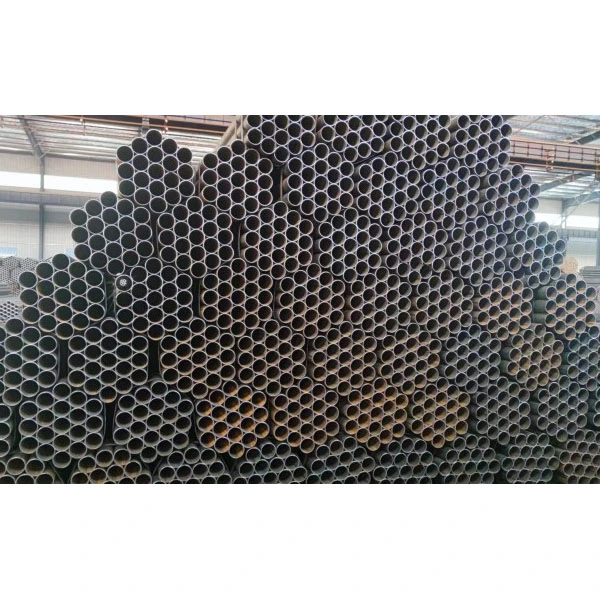
Beyond the product itself, the way it is sold and delivered matters. Tianjin YuJie Steel Pipe Trading Co., Ltd. provides practical support at every step. When you request a quote, we ask about the application, the required standard, the destination, and any special handling needs. This helps us recommend the most appropriate steel grade, surface treatment, and packaging method.
Our packaging is designed to protect thin wall pipe during ocean freight, trucking, and on-site storage. Bundles are wrapped with weather-resistant material and secured with steel strapping. End caps or bevel protectors can be added to prevent damage to weld seams or machined ends. For container loading, we optimize the number of pieces per bundle to maximize space and minimize movement.
Shipping coordination is another area where we add value. We work with reliable forwarders and shipping lines to arrange transport to major ports worldwide. The necessary export documents are prepared accurately, including the bill of lading, commercial invoice, packing list, certificate of origin, and mill test certificate. For projects that require third-party inspection, such as SGS or BV, we can arrange for inspection before shipment.
Communication remains a priority. We understand that time zones, language differences, and changing project schedules can create friction. Our team responds to inquiries clearly and keeps you informed about production progress, vessel schedules, and delivery updates. This level of transparency builds trust and reduces the risk of surprises at the destination port.
For buyers who are testing a new supplier, we support trial orders. Starting with a smaller quantity allows you to evaluate the product quality, packaging, and documentation before committing to a larger contract. We believe that a successful trial order is the best way to demonstrate the reliability of our thin wall longitudinal welded steel pipe.
Q1: What wall thickness is considered thin for a longitudinal welded steel pipe?
The term “thin wall” depends on the outer diameter, but in practice most thin wall longitudinal welded steel pipe orders fall between 0.8 mm and 6.0 mm in wall thickness. For small diameters, a 1.0 mm or 1.2 mm wall is common. For larger diameters, 2.0 mm to 4.0 mm may still be considered thin relative to the diameter. The key is that the wall is thin enough to reduce weight and material cost while still meeting the structural or fluid-handling requirements of the application. Our team can help you determine whether a given diameter-to-thickness ratio is suitable for your load and pressure conditions.
Q2: How strong is the longitudinal weld seam compared to the rest of the pipe?
When produced under proper controls, the longitudinal weld in a high-frequency welded pipe is typically as strong as or stronger than the base metal. The heat-affected zone is narrow, and the forging process creates a solid bond. Standard tests such as flattening, tensile, and sometimes impact tests are used to verify weld integrity. For critical applications, additional non-destructive testing such as eddy current or ultrasonic inspection can be performed. Buyers should ensure the supplier provides the necessary test reports and traceability for each batch.
Q3: Can thin wall longitudinal welded steel pipe be used for pressure or fluid transport?
Yes, but the design must consider the internal pressure, the wall thickness, the material grade, and the applicable standard. For low-pressure fluid transport, pipes produced to GB/T 3091 or ASTM A53 are commonly used. The pipe may be subjected to hydrostatic testing to confirm leak tightness. However, thin wall pipe is not automatically rated for high-pressure service. The allowable working pressure depends on the diameter, wall thickness, material yield strength, and safety factor. We can supply hydrotested pipe or provide documentation to support your pressure calculations.
Q4: What surface treatments are available for corrosion protection?
Several options are available. Black pipe without coating is suitable for indoor or dry environments. Oiled pipe receives a light protective coating to reduce rust during transit and storage. Pre-galvanized pipe is formed from galvanized steel strip, giving a uniform zinc coating. Hot-dip galvanized pipe is dipped after welding, providing a thicker zinc layer and better edge coverage at the weld. Painted or powder-coated options are also available for specific color or finish requirements. The choice depends on the exposure conditions and the expected service life.
Q5: What is the minimum order quantity?
The minimum order quantity varies depending on the size, wall thickness, and surface treatment. For stocked sizes, smaller trial quantities may be possible. For custom production, the mill typically requires a certain tonnage to set up the line. Tianjin YuJie Steel Pipe Trading Co., Ltd. tries to accommodate both small and large buyers. We can advise you on the most cost-effective quantity and help combine items if needed to reach a production minimum.
Q6: How do you ensure the pipe stays straight during shipping?
Straightness is controlled at the mill through sizing and straightening rolls. During packaging, the pipes are aligned into tight bundles and secured with multiple steel straps. The bundles are loaded into containers or onto trucks in a way that minimizes unsupported overhang. For particularly long lengths, we may use wooden battens or special cradles to reduce flexing. If exact straightness is critical for your process, we can discuss additional handling requirements or supply shorter lengths to limit shipping stress.
Q7: Can you provide cut-to-length pipe?
Yes, cut-to-length service is available for many sizes. This is useful when the project requires specific lengths for fabrication, reducing on-site cutting waste and labor. Please provide the exact length tolerance you need. Standard cutting tolerances are usually a few millimeters, but tighter tolerances may be achievable depending on the equipment and quantity. Cut ends are deburred and can be supplied plain, bevelled, or with other end preparations as required.
Q8: What documents are provided with the shipment?
A typical export shipment includes a commercial invoice, packing list, bill of lading, and mill test certificate. The mill test certificate shows the steel grade, heat number, dimensions, chemical composition, and mechanical test results. Certificates of origin, fumigation certificates for wooden packaging, and third-party inspection reports can be added as needed. We prepare documents in accordance with the destination country's import requirements and can provide electronic copies before the cargo arrives.
Q9: How do I choose the right steel grade for my application?
Start by identifying the loading conditions and the environment. For general structural use, Q235B or S235JR is usually sufficient and economical. For higher strength, Q355B or S355J2H may reduce the required wall thickness. For low-temperature or impact-sensitive applications, a grade with specified Charpy values should be selected. For corrosion resistance, a galvanized coating is often more practical than switching to stainless steel. If you are unsure, share your design loads, service temperature, and exposure conditions with our team. We can suggest a recommended grade and wall thickness.
Q10: Does Tianjin YuJie Steel Pipe Trading Co., Ltd. support export to my country?
We supply thin wall longitudinal welded steel pipe to buyers in many regions, including Southeast Asia, the Middle East, Africa, South America, Europe, and Oceania. Each destination has its own import regulations and documentation requirements. We work with your forwarder or our shipping partners to ensure the cargo is prepared correctly. Please share your destination port and any special certification needs, and we will confirm the best shipping option.
Every project has a critical path. The materials you select can either accelerate that path or create delays. Thin wall longitudinal welded steel pipe offers a way to reduce weight, control cost, and maintain structural performance across a wide range of applications. With Tianjin YuJie Steel Pipe Trading Co., Ltd. as your supply partner, you also gain a team that understands the product deeply and responds to your needs with clarity.
Reach out with your required dimensions, quantity, destination, and any special surface or end treatments. We will provide a detailed quotation and a realistic delivery schedule. From there, you can move forward with confidence, knowing your pipe will arrive ready to work.