Straight Seam Welded Steel Pipe,Steel Profiles,Portable Container Houses,Cold-Rolled Seamless Steel Pipe,Hot-Rolled Seamless Steel Pipe,Spirally Welded Steel Pipe
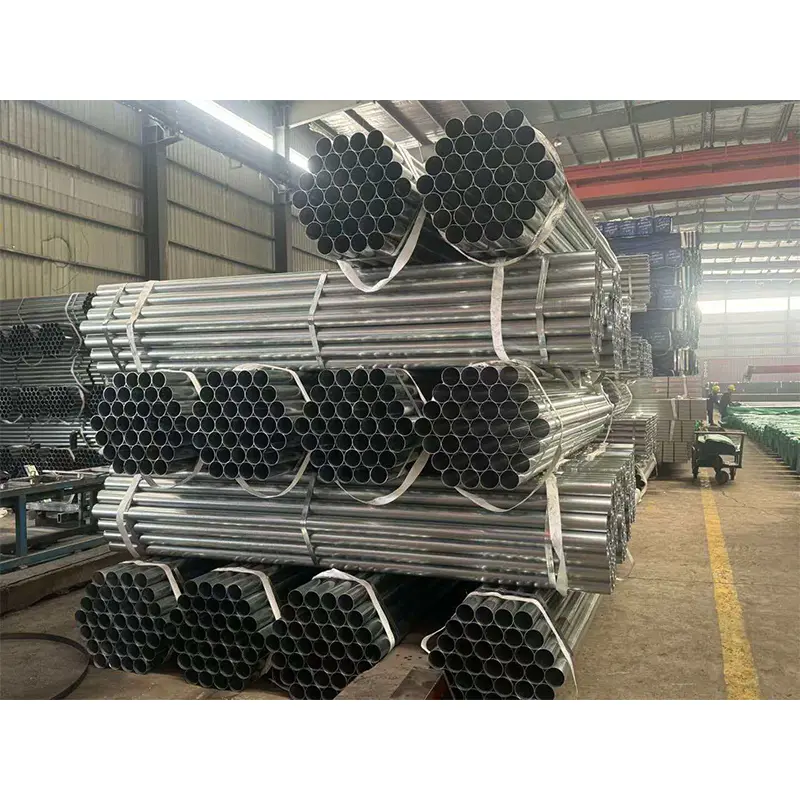 Large Diameter Hot Dip Galvanized Round Steel Pipe overview from Tianjin YuJie Steel Pipe Trading Co., Ltd." loading="lazy" />
Construction sites, water treatment facilities, agricultural networks, and industrial plants all share a common demand for piping that can survive years of exposure, pressure, and rough handling. That demand is answered by the large diameter hot dip galvanized round steel pipe supplied by Tianjin YuJie Steel Pipe Trading Co., Ltd. This is not a standard tube pulled from a generic inventory. It is a purpose-built structural and fluid transport solution that pairs high-strength carbon steel with a thick, metallurgically bonded zinc coating for exceptional durability.
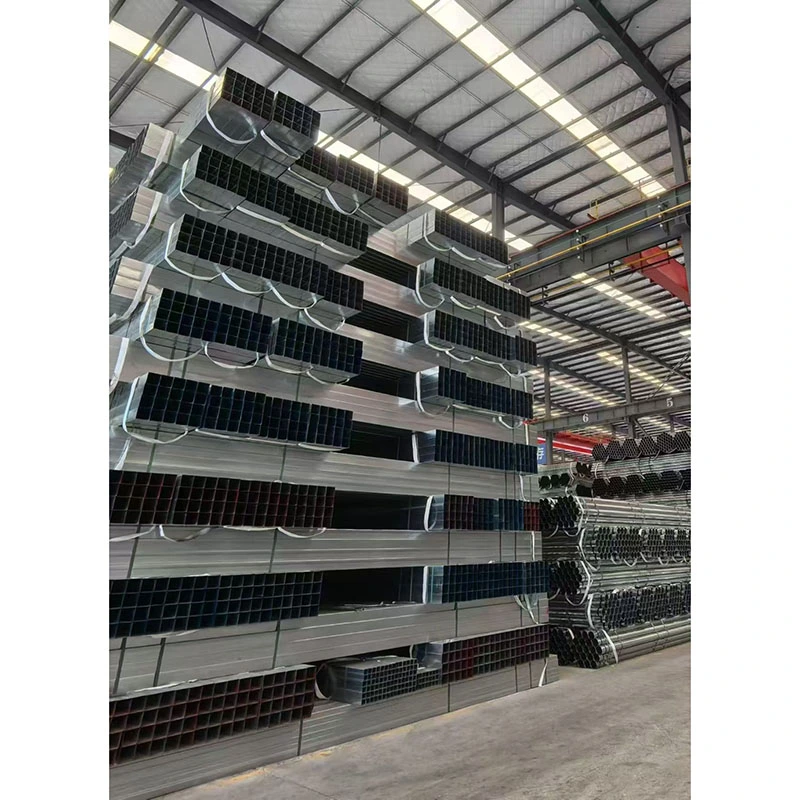
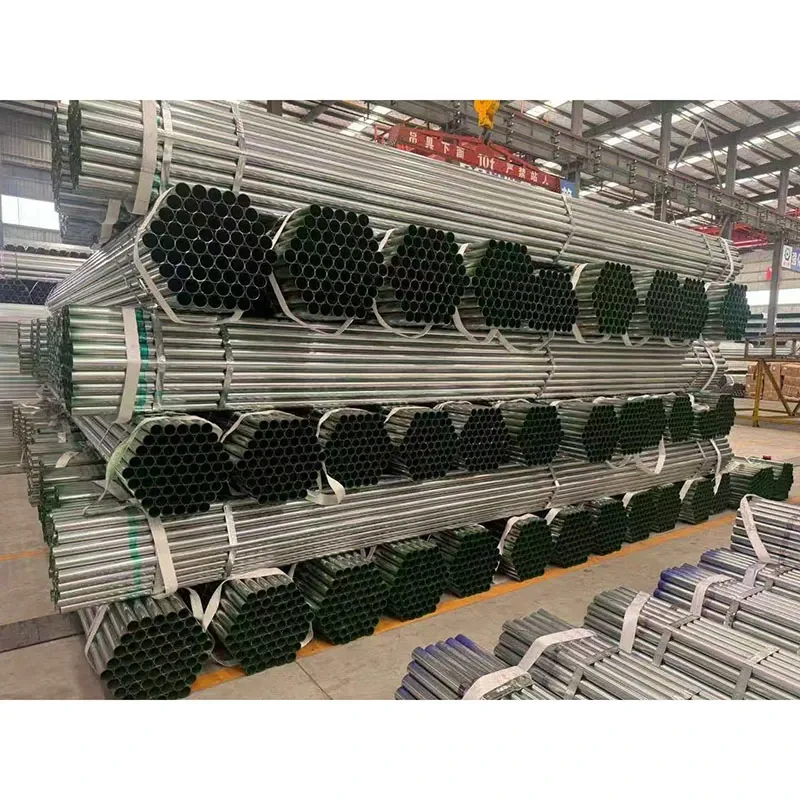
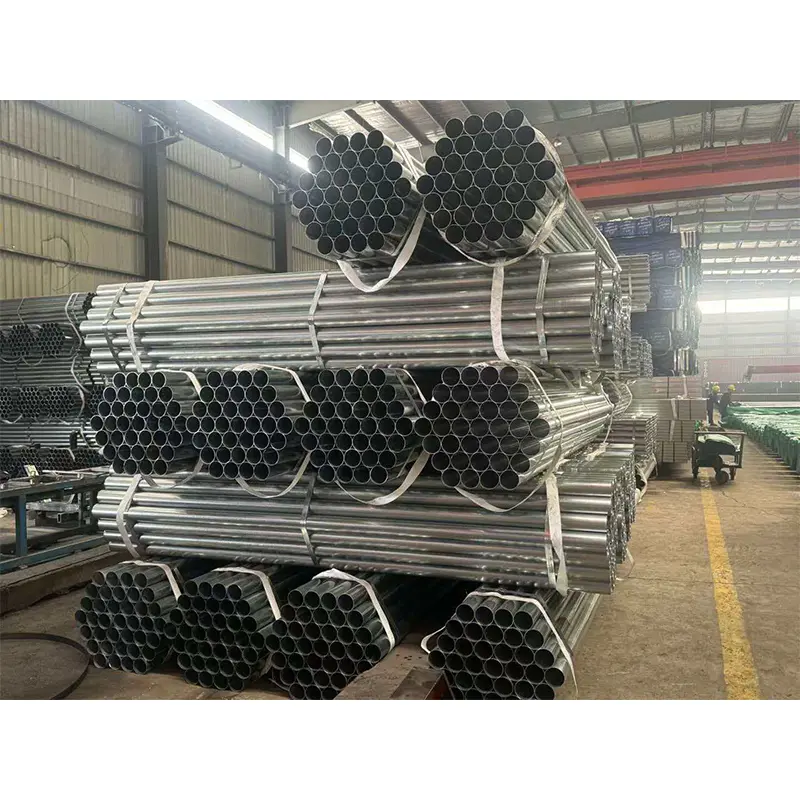
At first glance, the surface appears as a clean, silvery-gray layer with a subtle crystalline pattern. That outer layer is not paint, and it is not a thin electroplated film. It is the result of immersing a formed steel pipe into molten zinc at approximately 450 degrees Celsius. The zinc reacts with the steel to form multiple alloy layers, creating a coating that becomes part of the pipe itself. The result is resistance to corrosion, abrasion, and weather that far exceeds ordinary black steel or lightly coated alternatives.
Tianjin YuJie Steel Pipe Trading Co., Ltd. has built its reputation on delivering this exact category of product to buyers across diverse sectors. The company understands that a pipe is never just a pipe. It is a load-bearing column, a water carrier, a protective sleeve, a foundation element, or part of a complex mechanical system. The large diameter hot dip galvanized round steel pipe produced and distributed by the company is available in a wide range of wall thicknesses and diameters to match those applications without compromise.
What makes this product especially appealing is the way it balances strength, longevity, and practicality. Structural engineers value its consistent mechanical properties. Procurement managers appreciate its availability and competitive pricing. Installers benefit from its weldability and dimensional accuracy. Decision-makers who must protect budgets over the long term recognize that a higher initial investment in hot dip galvanizing translates into dramatically lower maintenance and replacement costs. This pipe is built for people who cannot afford to think short-term.
Corrosion is the silent enemy of steel infrastructure. When unprotected steel is exposed to moisture, oxygen, and pollutants, rust begins to form. Over time, the rust eats away at the steel, reducing its cross-sectional thickness and weakening the entire structure. The large diameter hot dip galvanized round steel pipe addresses this problem at the metallurgical level. Its zinc coating acts as a barrier that keeps moisture and corrosive substances away from the steel surface. But the protection does not stop there.
Zinc is anodic to steel, which means that if the coating is scratched or damaged, the surrounding zinc will corrode first and sacrifice itself to protect the exposed steel. This is called cathodic protection. It is a fundamental advantage of hot dip galvanizing that cannot be matched by ordinary barrier coatings. Even at cut ends or small surface scratches, the zinc continues to guard the steel from rust. The pipe remains structurally sound far longer than a pipe with a simple paint or powder coating.
Tianjin YuJie Steel Pipe Trading Co., Ltd. ensures that the galvanizing process meets rigorous international standards. The coating thickness, adhesion, and uniformity are monitored throughout production. This attention to detail means that every large diameter hot dip galvanized round steel pipe delivered to a customer offers the same dependable performance, whether it is used in a coastal environment with salt-laden air or in an inland agricultural setting with high humidity and soil contact.
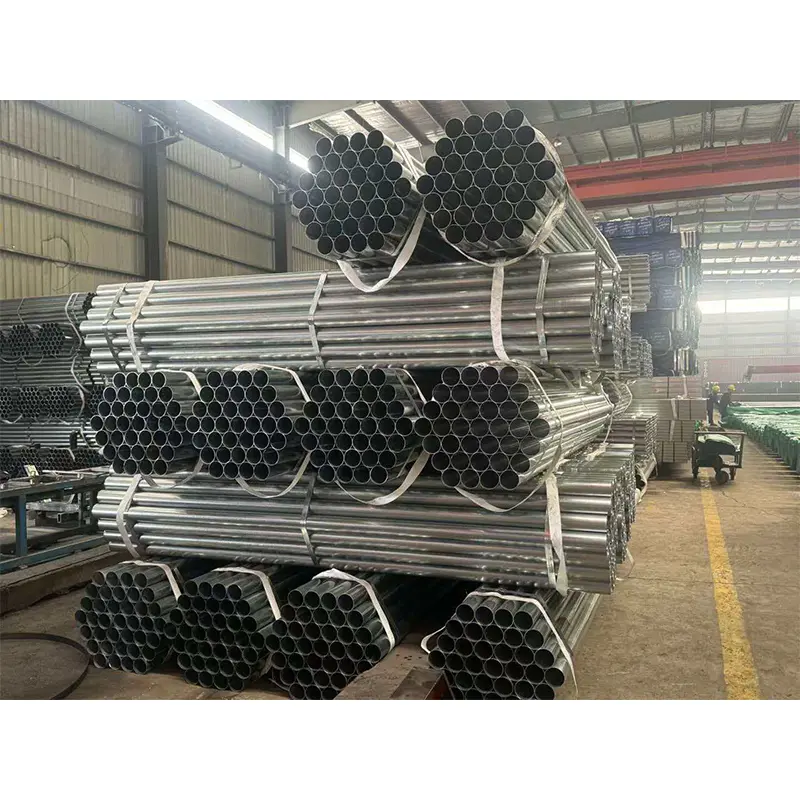
The silvery surface is not only functional but also visually clean. For architectural and exposed structural work, this pipe provides a uniform, professional appearance that complements concrete, wood, and other building materials. There is no need for additional painting in most situations, which saves time and labor on the job site.
Selecting the right large diameter hot dip galvanized round steel pipe requires precise information about its dimensional range and mechanical characteristics. The following tables provide typical parameters available through Tianjin YuJie Steel Pipe Trading Co., Ltd. These values are representative and can be tailored to suit specific project specifications.
| Parameter | Common Range | Notes |
|---|---|---|
| Outer Diameter | 219 mm – 3620 mm | Large diameter sizes suitable for structural and industrial use |
| Wall Thickness | 4 mm – 30 mm | Custom thicknesses available upon request |
| Length | 5.8 m, 6 m, 11.8 m, 12 m | Other lengths can be cut to order |
| Zinc Coating Weight | 210 g/m² – 600 g/m² | Heavier coatings available for aggressive environments |
| Steel Grade | Q235B, Q345B, ASTM A53, ASTM A106, API 5L Gr.B | Other grades on request |
| Manufacturing Standard | ASTM A53, BS 1387, EN 10219, GB/T 3091, ISO 9001 | Certification provided with shipment |
Chemical composition and mechanical properties vary by grade. A typical Q235B material contains a maximum of 0.20% carbon, 0.35% silicon, and 1.40% manganese, with tensile strength ranging from 370 MPa to 500 MPa and a minimum yield strength of 235 MPa. Higher-strength options such as Q345B provide a minimum yield strength of 345 MPa, making them suitable for demanding structural applications. The large diameter hot dip galvanized round steel pipe supplied by Tianjin YuJie Steel Pipe Trading Co., Ltd. is carefully produced to meet these specifications with consistent reliability.
Dimensional tolerances follow industry norms. Outer diameter tolerance is typically ±1% for large sizes, while wall thickness tolerance is ±10% or as specified. Straightness and end finish are controlled to facilitate easy welding, threading, or coupling assembly. Buyers can request beveled ends, plain ends, or grooved ends based on installation requirements.
Quality begins with raw material selection. Tianjin YuJie Steel Pipe Trading Co., Ltd. sources hot rolled steel coils or plates from reputable mills that provide material certificates and batch traceability. The steel is formed into a round shape through a continuous welding process or spiral welding process, depending on the desired diameter and wall thickness. For large diameter options, spiral submerged arc welding or longitudinal welding methods ensure a strong, uniform seam that can withstand internal pressure and external loads.
After forming and welding, the pipe undergoes dimensional inspection to verify straightness, diameter, and wall thickness. The surface is cleaned through chemical degreasing, rinsing, pickling, and fluxing. This preparation is critical because the hot dip galvanizing reaction requires a completely clean steel surface. Any rust, mill scale, oil, or contamination left on the pipe would result in bare spots or poor adhesion of the zinc coating.
The cleaned pipe is then immersed in a bath of molten zinc at a controlled temperature. The immersion time is adjusted based on pipe diameter and wall thickness to ensure complete coverage. When the pipe is withdrawn, excess zinc drains away, leaving a uniform coating. The pipe is then quenched in water or air-cooled and inspected for coating thickness, adhesion, and surface appearance. A properly galvanized large diameter hot dip galvanized round steel pipe exhibits a smooth, continuous coating with no sharp drips or lumps that could interfere with handling or assembly.
Testing and inspection are not afterthoughts. Each production run is accompanied by documentation that includes material certificates, dimensional reports, coating thickness measurements, and visual inspection records. For critical applications, additional non-destructive testing such as ultrasonic inspection or hydrostatic testing can be arranged. Tianjin YuJie Steel Pipe Trading Co., Ltd. maintains strict quality control procedures to ensure that every shipment meets or exceeds the agreed specifications.
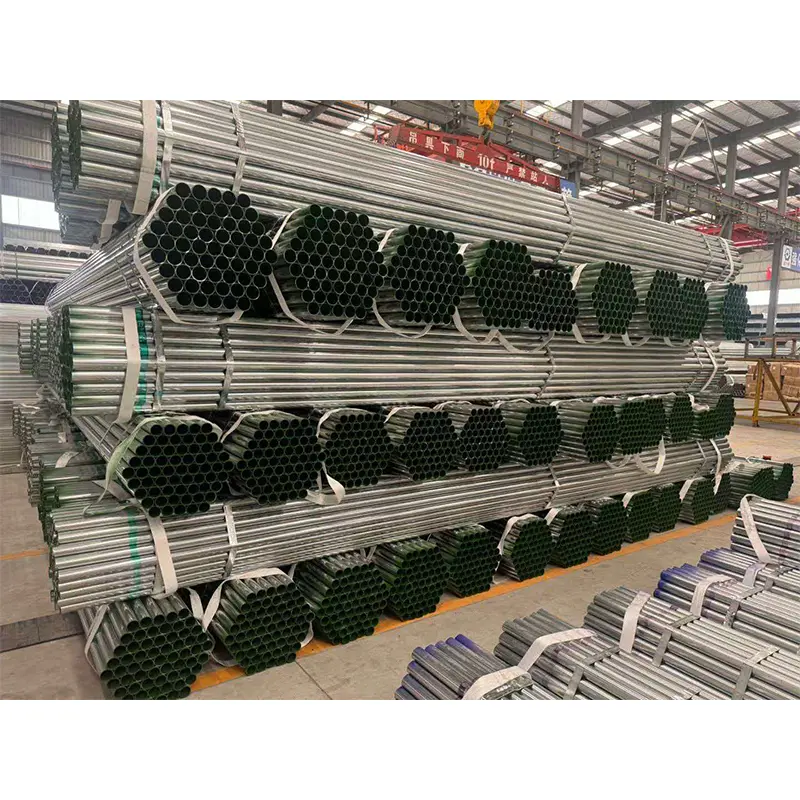
Many buyers arrive at hot dip galvanized round steel pipe after experiencing failures with other materials. Thin-walled tubes that dent during transport. Painted steel that rusts within a year. Coated pipes that peel and flake when exposed to ultraviolet light or temperature swings. The frustrations are real, and they cost time and money on the ground. A project manager does not want to explain why a newly installed fence is already showing rust streaks. A farm owner does not want to replace irrigation lines every few seasons. A municipal engineer cannot accept a water main that leaks because of corrosion pinholes.
The large diameter hot dip galvanized round steel pipe answers these challenges with a simple but powerful value proposition: do it once, do it right, and let the material carry the burden of protection. The thick zinc layer is not a temporary coating; it is a part of the pipe that actively resists corrosion for decades. In many soil and water conditions, hot dip galvanized steel can last 50 years or more without major maintenance. For structures designed for a long service life, this is not a luxury; it is a necessity.
Compare the total cost of ownership. A lower-priced black steel pipe may save money on the initial invoice. But it must be coated, painted, or wrapped on site. Those extra steps require labor, equipment, weather windows, and ongoing repainting intervals. Each maintenance cycle means downtime, inspections, and paperwork. A hot dip galvanized pipe arrives ready to install. It needs no field painting. It does not demand a separate crew for surface preparation. It simply goes into the ground, onto the structure, or into the system and begins working immediately.
The following table illustrates how the galvanized option compares across common real-world pain points.
| Pain Point | Common Outcome with Unprotected Pipe | Outcome with Large Diameter Hot Dip Galvanized Round Steel Pipe |
|---|---|---|
| Corrosion in wet or buried conditions | Rust formation within months, thickness loss, leaks | Zinc barrier and sacrificial protection prevent rust for decades |
| Coating damage during transport or handling | Scratches expose steel and start localized rust | Zinc continues to protect exposed steel through cathodic action |
| Frequent repainting requirements | Labor and material costs every 2–5 years | No repainting needed for normal atmospheric exposure |
| Structural weakness from corrosion thinning | Reduced load capacity, safety concerns | Consistent steel thickness maintained over long service life |
| Unsightly rust staining on architectural elements | Poor appearance, tenant complaints | Clean galvanized finish remains presentable with minimal upkeep |
The versatility of the large diameter hot dip galvanized round steel pipe is one of its strongest selling points. It adapts to a wide array of sectors without requiring a different base product. The same pipe that forms a structural column can also serve as a water transport line, a protective casing, or a foundation piling. This flexibility simplifies procurement because a single reliable product can cover multiple needs on the same project.
In building and construction, the pipe is used for load-bearing columns, roof trusses, canopy supports, and framework. Its round cross-section offers excellent resistance to torsional and compressive forces. The galvanized coating allows the structure to be exposed to rain, snow, and sun without the need for continuous upkeep. Large diameter variations provide the necessary stiffness for tall structures, while thicker walls accommodate heavy design loads.
Municipal water supply and wastewater treatment plants favor the pipe for its internal and external corrosion resistance. Water lines must remain free of rust contamination, and sewer lines must resist the aggressive chemical environment of wastewater. The zinc coating on the outside protects the pipe from soil corrosion, while the smooth interior allows for predictable flow characteristics. For potable water systems, the pipe can be used in raw water transfer and treatment plant infrastructure, often with an additional food-grade lining if required by local codes.
Agricultural operations use the pipe for irrigation main lines, center pivot systems, livestock fencing, and structural supports for greenhouses and shade structures. The harsh combination of moisture, fertilizer, manure, and soil contact quickly destroys unprotected steel. A large diameter hot dip galvanized round steel pipe from Tianjin YuJie Steel Pipe Trading Co., Ltd. withstands these conditions, giving farm owners confidence that their systems will keep working through growing season after growing season.
Industrial plants rely on the pipe for compressed air, cooling water, fire protection, and process piping. The galvanized coating protects against internal and external corrosion in humid plant environments. Large diameter sizes can accommodate high flow rates or house multiple smaller lines as a protective conduit. The pipe's robust nature also makes it suitable for pipe racks, cable trays, and other structural elements within processing facilities.
Energy and infrastructure projects, including solar farms, wind power foundations, and transmission line poles, demand products that can endure without frequent maintenance. The large diameter hot dip galvanized round steel pipe is widely used as foundation piles driven into the ground. The zinc coating resists soil corrosion and abrasion during driving, while the steel core provides the necessary load-bearing capacity. When installed, these foundations remain stable for the design life of the project with negligible degradation.
Transportation and road projects use the pipe for signage poles, guardrail posts, bridge railing, and culvert protection. Road salts, de-icing chemicals, and vehicle exhaust create a highly corrosive environment. Galvanizing provides a shield that keeps road infrastructure functional and visually acceptable for many years. Large diameter pipe can also be used as sleeves for underground utilities beneath roadways, protecting smaller lines from traffic loads and ground movement.
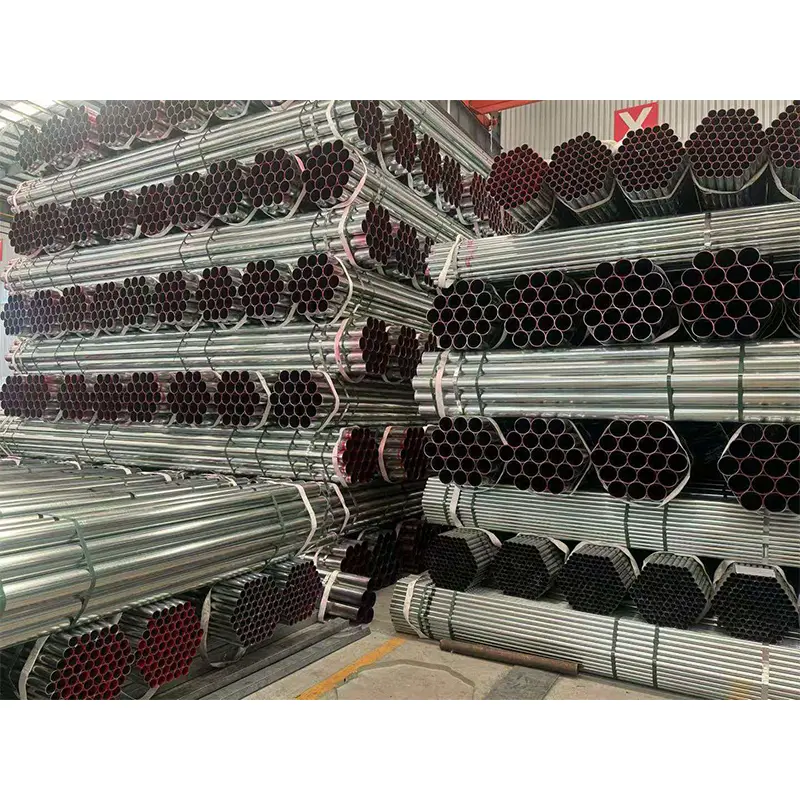
Project owners, engineers, contractors, and maintenance managers are the primary users of this pipe. A structural engineer values the predictable strength and long-term integrity. A general contractor values the ease of handling and the absence of field coating. A procurement officer values the clear specifications, certification documents, and reliable delivery schedule. A maintenance supervisor values the freedom from constant patch painting and rust repair. The large diameter hot dip galvanized round steel pipe fits into each of these roles without friction.
OEM manufacturers and fabricators also form an important customer group. These buyers cut, weld, and assemble the pipe into gates, trailers, racking systems, agricultural equipment, and specialized structures. They need a material that can be processed efficiently. The galvanized surface is weldable with standard procedures, and any weld areas can be touched up with zinc-rich paint or spray to restore corrosion protection. The pipe arrives in straight, uniform sections that reduce setup time and improve final product quality.
Export buyers and project developers in regions with harsh climates or limited maintenance resources are especially well served. In coastal areas, tropical zones, and remote installations, access for routine maintenance is difficult or expensive. A large diameter hot dip galvanized round steel pipe from Tianjin YuJie Steel Pipe Trading Co., Ltd. arrives ready for long service with minimal follow-up. This is a strong advantage for infrastructure investments where the cost of failure is high and the opportunity for repair is low.
There is a quiet confidence that comes from using a product designed to outlive the problem it solves. When a contractor installs a galvanized pipe, there is no lingering worry about callbacks for rust. When an engineer specifies it, there is no fear of defending a premature failure in a future review. When a farmer runs water through it, there is no background anxiety about a burst line during peak season. The product's reliability translates into peace of mind.
This sense of security extends to budgets. Initial cost is only one part of the equation. The real cost of inferior pipe shows up later in the form of labor for repainting, replacement parts, downtime, water damage, structural repair, and even legal liability. The large diameter hot dip galvanized round steel pipe minimizes those future costs by removing the main trigger: corrosion. Buyers who choose this product are not spending more; they are investing earlier to avoid paying repeatedly for the same failure.
The aesthetic consistency of the galvanized finish also adds a professional impression. Exposed structures look intentional and well-finished, not like an afterthought covered in brush-applied paint. For commercial properties, public facilities, and high-visibility infrastructure, this appearance communicates quality to tenants, customers, and regulators.
Several pipe options exist in the market, but few match the comprehensive benefits of this product. Black steel pipe is cheaper on paper but demands field painting and continuous maintenance. Epoxy-coated pipe offers a smooth finish but can chip or scratch easily, creating localized corrosion. Cold galvanized or zinc-rich paint provides only a thin, mechanically bonded layer that degrades quickly. Electroplated zinc is thin and not suitable for outdoor structural exposure. Hot dip galvanizing, by contrast, creates a thick alloy layer that is bonded to the steel and provides both barrier and sacrificial protection.
Tianjin YuJie Steel Pipe Trading Co., Ltd. adds another layer of differentiation through its supply chain and customer service. The company understands that delivery time, documentation, and packaging matter as much as the pipe itself. Each order is handled with clear communication, accurate order tracking, and export-grade packing suitable for container shipping, bulk cargo, or flatbed transport. The company works with customers to provide cut-to-length services, end preparation, and custom coating specifications. This reduces the amount of on-site fabrication and helps projects move faster.
Quality consistency is another important differentiator. A pipe mill can produce one good batch, but maintaining that quality across thousands of tons requires disciplined processes. The company’s quality management system monitors raw material sourcing, forming, welding, coating, inspection, and loading. Certificates and test reports accompany each shipment, giving buyers a paper trail that satisfies engineers, auditors, and inspectors.
For international buyers, the company’s location and logistics network offer practical advantages. Tianjin is one of China’s major industrial and port cities. This proximity to a major seaport means shorter domestic transport times and more frequent vessel departures. The company is experienced in preparing documentation for customs clearance, including certificates of origin, material test reports, and packing lists. These details may seem administrative, but they directly affect whether a shipment clears port smoothly or sits in storage accruing demurrage charges.
Working with large diameter hot dip galvanized round steel pipe is straightforward for experienced steel installers. Standard cutting methods such as band sawing, abrasive cutting, or plasma cutting can be used. When welding galvanized pipe, proper ventilation is required because the zinc coating produces fumes during welding. Welders should remove the zinc layer from the immediate weld area to achieve a clean weld. After welding, the affected area should be cleaned and touched up with zinc-rich paint or a zinc spray to restore corrosion protection.
Threaded connections are possible on smaller wall thicknesses, but for large diameter pipes, welded or flanged connections are more common. The pipe can be joined to fittings, flanges, or other structural members using standard welding procedures. Proper alignment and fit-up reduce stress concentrations and improve the structural performance of the completed assembly.
Once installed, the pipe requires very little maintenance. The galvanized surface naturally forms a patina over time, which does not indicate degradation but rather a stable zinc carbonate layer that further protects the steel. In most environments, no repainting is necessary. If the pipe is cut or welded in the field, a simple touch-up with a zinc-rich compound restores the protection at the affected area.
For buried applications, the pipe should be bedded and backfilled properly to avoid mechanical damage. The zinc coating resists soil corrosion, but sharp rocks or aggressive backfill can scrape the surface during installation. A protective wrap or sand bedding can be used in particularly rocky conditions. In highly acidic or alkaline soils, additional protective measures such as a bituminous coating or sleeve may extend the service life even further.
Large diameter generally refers to pipes with an outer diameter of 219 mm or more, extending up to 3620 mm or beyond depending on mill capability. To choose the right size, you need to consider the flow volume or load requirement, the available space, the connection method, and the applicable design code. A structural engineer can calculate the necessary diameter and wall thickness based on loads; a mechanical or civil engineer can do the same for fluid flow and pressure. Tianjin YuJie Steel Pipe Trading Co., Ltd. can provide technical data and dimensional tables to support that decision.
Hot dip galvanized steel has a long history of use in water distribution and storage. The zinc coating is generally considered safe for potable water in many regions, especially when the water chemistry is not aggressive. However, local health and plumbing codes may require an internal food-grade lining or special testing. It is important to check the regulations in your area. For agricultural irrigation and industrial water transport, the pipe is widely accepted. For potable water applications, the supplier can provide additional information on linings or alternative coatings if required.
Yes, the pipe can be welded after galvanizing. The zinc layer at the weld joint should be ground back to bare steel before welding to avoid weld defects and excessive fumes. After the weld cools, the joint should be cleaned and coated with a zinc-rich repair product to restore corrosion protection. This standard practice ensures that the welded area remains protected and performs similarly to the original galvanized surface.
Typical hot dip galvanized coatings on this pipe range from 210 g/m² to 600 g/m². Heavier coatings can be applied for marine atmospheres, aggressive soils, or extended service life requirements. The exact thickness depends on the steel composition, immersion time, and bath temperature. If a project requires a specific minimum coating weight, that requirement should be stated at the time of inquiry so the production team can adjust the process accordingly.
Each shipment from Tianjin YuJie Steel Pipe Trading Co., Ltd. includes material test certificates, dimensional inspection reports, and coating thickness measurements. For certain orders, additional documents such as mill test certificates, certificates of origin, and third-party inspection reports can be arranged. These documents provide traceability from the raw material through final inspection, which is essential for engineering approval and customs clearance.
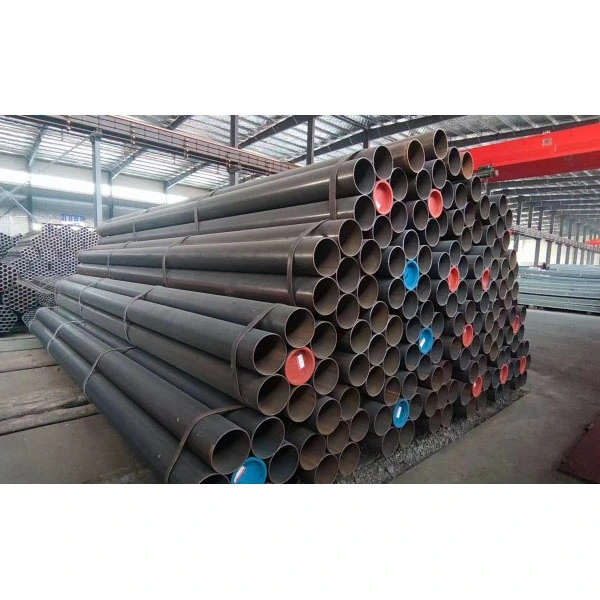
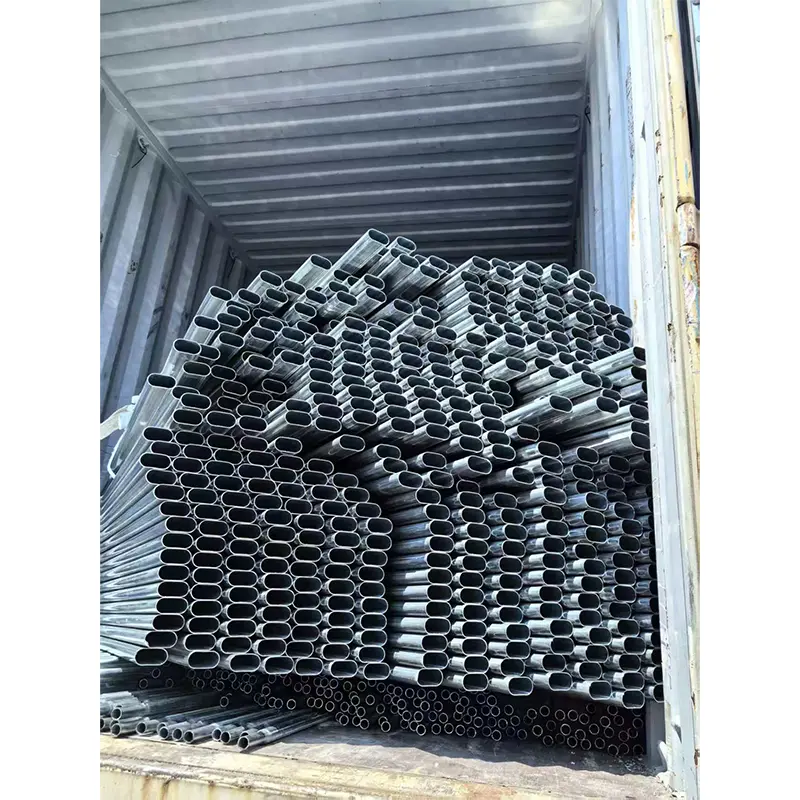
Export orders are packed according to the product size and shipping method. Large diameter pipes are often bundled with steel strips and loaded into open-top containers, flat racks, or as break bulk cargo. Pipe ends may be fitted with plastic caps or bevel protectors to prevent damage during handling. Waterproof wrapping, wood blocking, and rust preventive oils can be added based on customer requirements. The packaging is designed to keep the pipe stable and protected during ocean transit and overland delivery.
Hot dip galvanizing involves dipping steel into molten zinc, forming a thick alloy layer that is bonded to the steel. Cold galvanizing usually refers to painting with a zinc-rich paint or electroplating a thin zinc layer. Hot dip galvanizing offers much greater corrosion resistance, better abrasion resistance, and full coverage of internal and external surfaces. Cold galvanizing is thinner and more easily damaged. For large diameter structural pipe exposed to weather or soil, hot dip galvanizing is the preferred choice.
Yes. The company offers cut-to-length services to reduce on-site fabrication. Plain ends, beveled ends, grooved ends, and threaded ends are available depending on the diameter and wall thickness. Custom preparation should be specified when placing the order so that the pipe arrives ready for connection with minimal handling. This service is particularly useful for projects with a large number of identical pieces.
Service life varies with coating thickness and environmental conditions. In rural or suburban atmospheric exposure, 50 to 70 years is common for a coating of 85 microns or more. In industrial or marine environments, service life may range from 30 to 50 years. In soil, service life depends on soil pH, moisture, and aeration. In many neutral soil conditions, galvanized pipe can last more than 50 years. Using a heavier coating extends these estimates. A chart of corrosion rates by environment can be provided on request.
The company combines consistent product quality, competitive pricing, responsive communication, and reliable logistics. Its focus on large diameter hot dip galvanized round steel pipe means the team understands the product deeply rather than treating it as one item among thousands. Buyers receive accurate technical information, honest delivery schedules, and export documentation prepared correctly. This reduces the risks that come with international sourcing and helps projects stay on schedule and within budget.